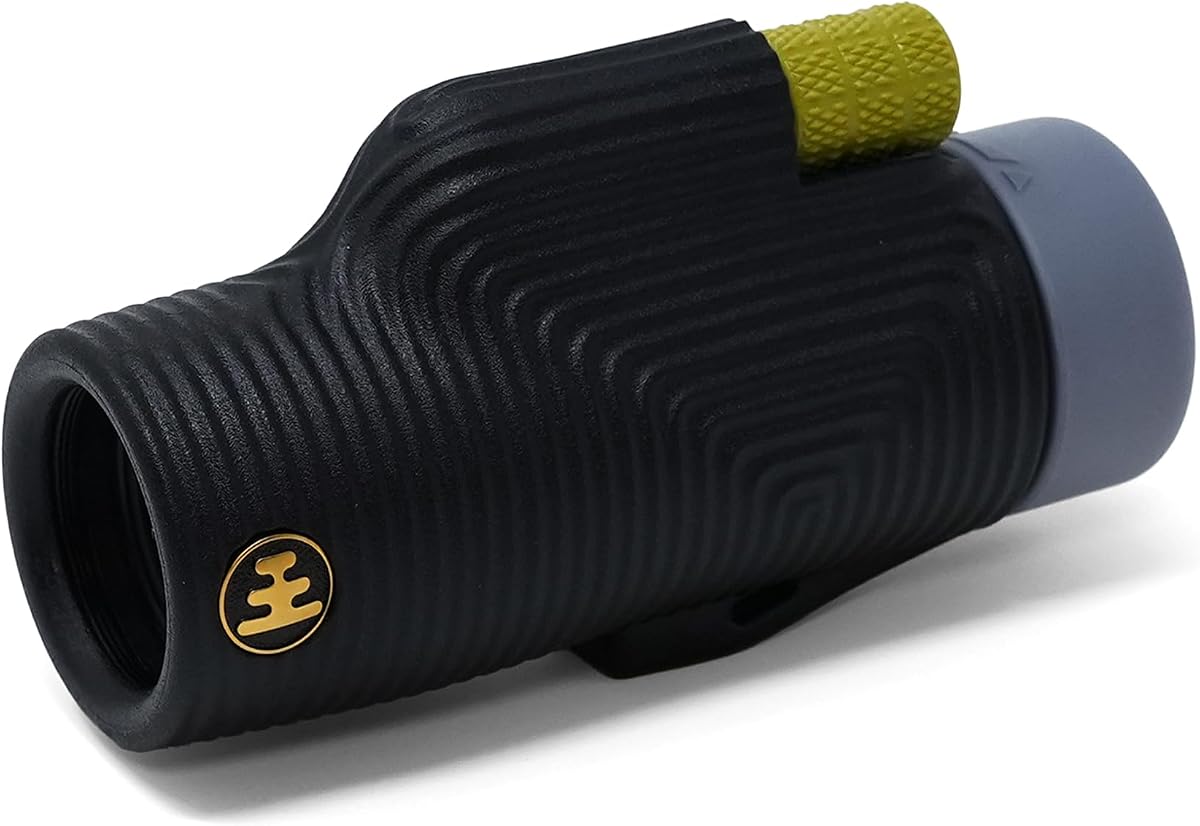
Nocs Provisions Zoom Tube
4.6Editor score
Ultra portable design
Fully multi coated optics
Water resistant build
This guide compares the top birding monoculars for clarity, portability, and durability to help you choose the perfect optical tool for your next outdoor
Birding monoculars offer a compact alternative to binoculars for wildlife observation. They provide powerful magnification in a lightweight package ideal for hiking and travel.
We evaluated ten models based on optics quality, build durability, and ease of use. Our selection covers various budgets and specific birding needs to ensure a perfect fit.
Each pick highlights unique strengths and potential trade-offs to consider before buying. Prices and availability change frequently so verify current details before you make your final decision today.
4.6Editor score
4.6Editor score

4.6Editor score
Here is a side by side look at all ten products we reviewed to help you compare key features and specifications quickly.
This model represents an entry point into monocular viewing. It offers basic magnification for casual observation without high-end features.
We may earn a commission when you buy through this link, at no additional cost to you.
It is suitable for users who need occasional use in dry conditions. The design is simple and easy to handle for beginners.
Trade-offs include unknown optical coatings and build quality. You may not get the clarity needed for serious bird identification tasks.
Buy this if you need a temporary or very low-cost option. It is not recommended for frequent outdoor use or critical observation.
Provides a simple way to view distant objects without binoculars.
Ideal for testing interest in monoculars before investing more.
We may earn a commission when you buy through this link, at no additional cost to you.
This option focuses on portability for travel. It fits easily in a pocket or small bag for quick access.
We may earn a commission when you buy through this link, at no additional cost to you.
The design prioritizes size over maximum optical performance. It works well for general viewing in good lighting.
It lacks advanced features like tripod mounts or water resistance. Durability may be a concern in rough environments.
Choose this if size is your top priority for hiking. It serves well as a backup to larger optics.
Fits discreetly in a coat pocket for instant viewing.
Allows for rapid deployment when birds fly by.
We may earn a commission when you buy through this link, at no additional cost to you.
This unit is built for trail use. It offers a balance of size and basic optical capability.
We may earn a commission when you buy through this link, at no additional cost to you.
It handles general viewing tasks well on clear days. The focus mechanism is straightforward for quick adjustments.
However, it lacks professional grade coatings or sealing. Performance may drop in low light or fog.
Ideal for day hikers who want something lighter than binoculars. It is a solid choice for casual nature walks.
Designed to be carried on long day hikes comfortably.
Allows rapid focusing on moving wildlife without complexity.
We may earn a commission when you buy through this link, at no additional cost to you.
This model serves as a basic tool for observation. It is intended for users new to monoculars.
We may earn a commission when you buy through this link, at no additional cost to you.
It provides a magnified view without complexity. The build is minimal and fits small hands well.
Expect limitations in image sharpness and brightness. It may not hold up to frequent or rough use.
Pick this for a starter kit or infrequent use. It is not suitable for serious birding requirements.
Great for trying out monoculars without a big investment.
Fewer parts mean less to maintain or adjust.
We may earn a commission when you buy through this link, at no additional cost to you.
Designed for travelers, this unit is easy to pack. It offers basic magnification for sightseeing and nature.
We may earn a commission when you buy through this link, at no additional cost to you.
It fits well in luggage without taking up much space. The operation is intuitive for quick use.
Optical quality is standard and not specialized for birding. It lacks features for long distance clear viewing.
Recommended for vacation use where size matters most. It works well for general distant object viewing.
Fits securely in a carry-on or backpack pocket.
Provides a quick zoom for landscapes and wildlife.
We may earn a commission when you buy through this link, at no additional cost to you.
This product offers a compact form factor for easy use. It is designed for general observation tasks.
We may earn a commission when you buy through this link, at no additional cost to you.
The grip is simple and allows for one hand operation. It is lightweight and easy to hold steady.
However, it lacks protection from moisture or dust. Optical clarity is basic and may show distortions.
Best for indoor or fair weather use. It is a decent option for casual casual at a low cost.
Designed to fit comfortably in the hand for viewing.
Takes up minimal room in your bag or pocket.
We may earn a commission when you buy through this link, at no additional cost to you.
This model aims to offer good value for the price. It provides a functional monocular for basic needs.
We may earn a commission when you buy through this link, at no additional cost to you.
It offers decent clarity for daytime use. The design is straightforward and reliable for general tasks.
Lack of advanced coatings limits low light performance. It is not built for professional birding applications.
Choose this for a balanced budget option. It works well for occasional use in clear conditions.
Balances cost and functionality for general users.
Delivers clear enough views for casual nature watching.
We may earn a commission when you buy through this link, at no additional cost to you.
This unit is a basic option for simple viewing. It is designed to be lightweight and easy to carry.
We may earn a commission when you buy through this link, at no additional cost to you.
It works for general magnification needs without complexity. The construction is minimal and easy to use.
However, it lacks durability and advanced optical features. Expect lower image quality in challenging conditions.
Suitable for very casual observation or testing. It is not recommended for serious fieldwork or birding.
Provides a simple magnified view for general use.
Minimizes weight for easy carry in the field.
We may earn a commission when you buy through this link, at no additional cost to you.
This monocular stands out for its optical quality and portability. It is designed for serious birding and backpacking.
We may earn a commission when you buy through this link, at no additional cost to you.
It features fully multi coated optics and a Swiss designed prism. This delivers bright clear images with excellent color accuracy.
The water resistant design handles rain and fog well. Its light weight makes it comfortable for all day use.
Choose this if you want reliable performance in any weather. It is the top choice for outdoor enthusiasts.
Coatings ensure bright images even in low light.
Water resistance protects against unexpected weather changes.
We may earn a commission when you buy through this link, at no additional cost to you.
This premium model offers the same optics with added versatility. It is ideal for steady viewing and long sessions.
We may earn a commission when you buy through this link, at no additional cost to you.
It includes a threaded tripod adapter for stability. The rugged grip ensures a secure hold in wet conditions.
The multi stop eyecup adapts for glasses wearers. This enhances comfort and view quality for all users.
Select this for professional level viewing and photography. It delivers top tier quality for serious birders.
Tripod mount allows for long duration observation.
Adjustable eyecup accommodates different viewing preferences.
We may earn a commission when you buy through this link, at no additional cost to you.
Selecting the right monocular depends on your specific needs and environment. Consider these key factors before you buy.
Higher magnification brings birds closer but can amplify hand shake. 8x or 10x is usually best for birding balance.
Choose 8x for stability and 10x if you use a support.
A larger objective lens lets in more light for brighter images. 32mm is a great balance of weight and clarity.
Larger lenses add weight but improve low light viewing.
Fully multi coated optics reduce glare and increase light transmission. Look for this to ensure bright clear images.
Avoid uncoated lenses as they reduce image quality.
Rubber armored bodies protect against drops and provide a secure grip. Water resistance is essential for outdoor use.
Choose models with water proofing for rain or humidity.
Lightweight units reduce fatigue during long hikes. Compact designs fit easily into pockets or small bags.
Prioritize weight if you carry it all day.
Bak4 prisms offer better optical quality than BK7. They produce sharper images with clearer edges.
Always check for Bak4 prisms for best performance.
Central focus allows for quick adjustments. Some models offer fast focus for moving subjects.
Test the focus ring for smooth operation.
Twist up eyecups accommodate glasses wearers. Adjustable eye relief ensures a comfortable view.
Look for multi stop eyecups for flexibility.
Hold the monocular with both hands if possible to minimize shake. Keep your elbow supported against your body for stability.
Clean the lenses with a microfiber cloth to remove dust and fingerprints. Avoid using rough fabrics that can scratch the coating.
Store the device in a dry place when not in use. Ensure it is dry after exposure to rain or humidity.
Monoculars are lighter and more compact but binoculars provide depth perception. Choose a monocular for travel and a binocular for serious observation.
8x is generally ideal because it offers a wider field of view with less shake. 10x is usable if you have steady hands.
Use a soft microfiber cloth to wipe off dust and smudges. For stubborn marks use a lens cleaning solution and cloth gently.
Yes if the monocular has adjustable eye relief and twist up eyecups. Look for specs that mention compatibility with eyeglasses.
Some models are water resistant but not fully waterproof. Check the IPX rating to understand protection against rain and moisture.
Bak4 prisms provide better light transmission and edge to edge clarity. Avoid BK7 prisms as they produce dimmer images.
Many models include a thread for a tripod adapter. Check product details to confirm compatibility with tripod mounting.
We found the Nocs Provisions Zoom Tube offers the best balance of optics and portability. It excels in clarity and weather resistance.
Prioritize optical coatings and build quality when making your choice. These factors directly impact image clarity and device longevity.
Verify current pricing and availability as these details change frequently. Use the provided links to check the latest stock status.