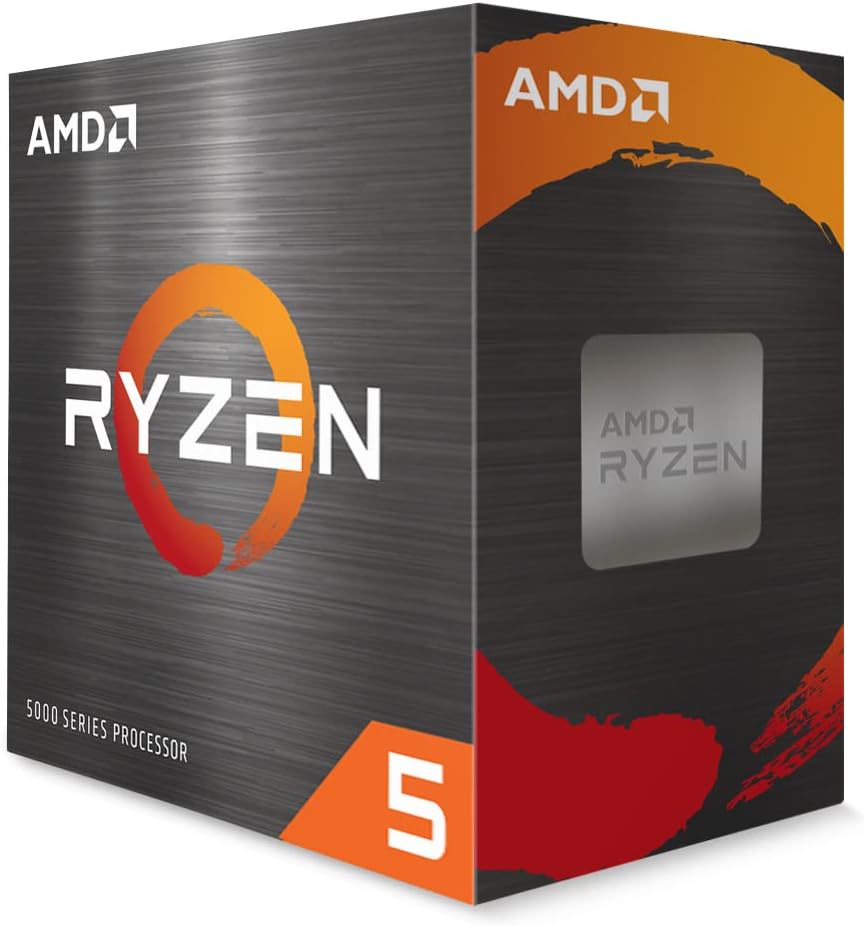
AMD Ryzen 5 5500
4.7Editor score
Six cores and twelve threads
Includes Wraith Stealth cooler
AM4 platform compatibility
Discover the top CPUs for Excel and Data Analysis comparing performance cores efficiency and value for professionals managing large datasets and complex
Selecting the right processor is crucial for anyone working extensively with Excel and data analysis tools. A powerful CPU ensures smooth handling of large datasets complex formulas and multiple open applications without lag or slowdowns affecting productivity.
We compared ten top-rated desktop processors based on core count thread performance clock speed and efficiency. Our analysis focuses on real-world workloads like pivot tables macros and statistical computations to help you choose the most capable hardware for your needs.
Each pick below highlights specific strengths such as budget value premium performance or balanced capabilities. Prices and availability change frequently so check current listings before purchasing to ensure you get the best deal available at the time of your order.
4.7Editor score

4.6Editor score

4.8Editor score
This side by side comparison overview key specifications for all ten processors to help you quickly identify which model best fits your data processing needs and budget constraints.


The Intel Core Ultra 9 285K leads our list with its impressive 24 core configuration and high boost speeds. It is rated highly by users for handling demanding workloads with ease making it ideal for complex data processing.
We may earn a commission when you buy through this link, at no additional cost to you.
Its hybrid architecture optimizes workload distribution between performance and efficiency cores ensuring smooth operation even with multiple applications open. The large cache size supports quick data retrieval essential for spreadsheet calculations.
While it does not include a cooler and requires a new motherboard platform the performance gains justify the investment for professionals. The high clock speeds ensure responsiveness in tasks like pivot table generation.
If you need top tier performance for data analysis this processor delivers exceptional speed and efficiency. It stands out as the best choice for users prioritizing raw power over budget constraints.
The performance hybrid architecture intelligently assigns tasks to appropriate cores for optimized efficiency and speed during intensive Excel operations.
Support for high speed DDR5 memory and PCIe 5.0 ensures fast data throughput and future proofing for advanced analysis tools.
We may earn a commission when you buy through this link, at no additional cost to you.
The AMD Ryzen 7 9800X3D stands out for its massive 96MB L3 cache which benefits applications relying heavily on cached data access. Its 8 cores and high boost clock make it highly responsive for Excel tasks.
We may earn a commission when you buy through this link, at no additional cost to you.
Zen 5 technology delivers significant IPC uplift ensuring that even fewer cores can handle complex formulas efficiently. The thermal performance is improved over previous generations allowing higher sustained clock speeds.
Users might find the lower core count less ideal for extreme multitasking compared to higher tier options. However the cache advantage makes it a strong contender for single threaded Excel operations.
This processor is perfect for users who prioritize speed and efficiency in calculations over sheer core numbers. It offers a balanced experience with strong performance for typical data analysis workflows.
The 96MB L3 cache significantly reduces latency when accessing frequently used data which accelerates complex spreadsheet computations.
Improved thermal performance allows the processor to maintain high speeds without throttling during long calculation sessions.
We may earn a commission when you buy through this link, at no additional cost to you.
The Intel Core i9-14900K offers the highest boost clock speed in our list at up to 6.0 GHz making it incredibly fast for single thread tasks. It combines this with 24 cores for robust multitasking capability.
We may earn a commission when you buy through this link, at no additional cost to you.
Its hybrid architecture effectively manages background processes allowing Excel to run smoothly even with other applications open. The support for both DDR4 and DDR5 gives users flexibility in memory upgrades.
Users may need to update BIOS on older motherboards to ensure compatibility which adds a step to setup. The high clock speeds can generate heat requiring adequate cooling solutions for stable operation.
This processor is ideal for those who want maximum responsiveness without needing a completely new platform. It delivers excellent performance for data analysis where clock speed is critical.
With boost speeds up to 6.0 GHz this processor executes calculations rapidly reducing wait times during complex spreadsheet operations.
Compatibility with both DDR4 and DDR5 memory allows for cost effective upgrades and broader motherboard options.
We may earn a commission when you buy through this link, at no additional cost to you.
The AMD Ryzen 5 9600X offers a compelling balance of performance and cost for most Excel and data analysis users. Its 6 cores and 12 threads handle everyday tasks efficiently without breaking the bank.
We may earn a commission when you buy through this link, at no additional cost to you.
Built on Zen 5 architecture it provides significant performance uplift over previous generations. The high boost clock ensures responsive interactions when working with large workbooks.
While it lacks a included cooler the investment in an aftermarket solution ensures optimal performance and cooling. The AM5 platform promises future upgrade paths which adds long term value.
This choice is perfect for professionals who need reliable speed without overspending on top tier features. It delivers strong performance for typical data workloads effectively.
Delivering high clock speeds and modern architecture at a mid range price point makes this an excellent value option.
Support for AM5 platform and DDR5 memory ensures you can upgrade components later without replacing the CPU.
We may earn a commission when you buy through this link, at no additional cost to you.
The Intel Core Ultra 7 270K provides a strong alternative to the Ultra 9 with similar core counts and efficient hybrid architecture. It delivers excellent performance for Excel and data analysis tasks.
We may earn a commission when you buy through this link, at no additional cost to you.
With up to 24 cores it handles multitasking with ease ensuring smooth operation even with heavy background processes. The high DDR5 support enables fast data throughput for large datasets.
Users might need to invest in a new motherboard platform which adds to the total system cost. Power consumption can be high under load so efficient cooling is recommended.
This processor is ideal for users wanting high performance without the top tier price tag. It offers a great balance of speed and efficiency for demanding workloads.
The combination of performance and efficiency cores optimizes energy use while maintaining high speeds for critical tasks.
Support for PCIe 5.0 and high speed DDR5 memory ensures compatibility with modern storage and RAM technologies.
We may earn a commission when you buy through this link, at no additional cost to you.
The AMD Ryzen 9 9950X offers 16 cores and 32 threads making it a powerhouse for multitasking and heavy data analysis. Its 5.7 GHz boost ensures rapid response times for complex calculations.
We may earn a commission when you buy through this link, at no additional cost to you.
Built on Zen 5 architecture it combines raw power with improved efficiency allowing smooth operation even under sustained workloads. The large cache size helps reduce latency during data retrieval.
Users should consider the higher price point and the need for a dedicated cooler as part of the investment. However the performance gains justify the cost for professionals working with large datasets daily.
This processor is best suited for power users who need maximum capability without compromise. It handles simultaneous applications and heavy computations with exceptional ease.
With 32 threads this CPU handles multiple applications and background processes smoothly without impacting Excel performance.
The 80 MB cache ensures quick access to frequently used data speeding up complex analysis tasks significantly.
We may earn a commission when you buy through this link, at no additional cost to you.
The Intel Core i7-12700KF delivers strong performance at a competitive price making it a great choice for budget conscious buyers. Its 12 cores and hybrid design handle demanding applications efficiently.
We may earn a commission when you buy through this link, at no additional cost to you.
With support for both DDR4 and DDR5 memory it offers flexibility in system builds. The high L3 cache ensures smooth performance during data processing tasks.
Users may find this processor older compared to latest models but it remains capable for most Excel workloads. The lack of integrated graphics requires a discrete GPU which may add to cost.
This option is ideal for those upgrading existing systems without needing a full platform change. It offers solid performance for data analysis without overspending.
Support for LGA1700 sockets allows easy upgrades for existing users without replacing motherboard and RAM.
The 25 MB L3 cache provides fast data access improving responsiveness during complex spreadsheet operations.
We may earn a commission when you buy through this link, at no additional cost to you.
The Intel Core i5-14400F provides excellent value for users needing solid performance without high costs. Its hybrid architecture efficiently manages workloads ensuring smooth operation for everyday Excel tasks.
We may earn a commission when you buy through this link, at no additional cost to you.
Support for both DDR4 and DDR5 memory offers flexibility in system building. The included thermal solution simplifies setup reducing additional costs for cooling hardware.
While clock speeds are lower than premium models it remains sufficient for most data analysis workloads. Users requiring heavy multitasking may need higher tier options for best performance.
This processor is perfect for individuals starting in data analysis or those on tight budgets. It delivers reliable performance for standard spreadsheet operations effectively.
Inclusion of thermal solution and support for older memory types helps reduce overall build costs.
Performance and efficiency cores work together to optimize power usage and maintain stable performance.
We may earn a commission when you buy through this link, at no additional cost to you.
The AMD Ryzen 9 9900X offers a solid balance of cores and speeds suitable for demanding Excel tasks. With 12 cores and 24 threads it handles multitasking and complex calculations efficiently.
We may earn a commission when you buy through this link, at no additional cost to you.
Zen 5 architecture ensures high single threaded performance which benefits many spreadsheet operations. The large cache helps reduce latency during heavy data processing sessions.
Users should consider the need for an aftermarket cooler and the cost of the AM5 platform as factors. However the performance gains are significant for regular data analysis workflows.
This processor is ideal for professionals needing more power than mid tier options without full premium costs. It handles heavy workloads effectively with excellent speed.
The combination of high core count and fast clock speeds delivers efficient performance for demanding tasks.
With 76 MB cache this CPU provides quick access to frequently used data speeding up calculations.
We may earn a commission when you buy through this link, at no additional cost to you.
The AMD Ryzen 5 5500 is the most affordable option on our list perfect for budget constrained users needing solid performance. Its 6 cores and 12 threads handle common Excel tasks efficiently.
We may earn a commission when you buy through this link, at no additional cost to you.
It includes a Wraith Stealth cooler simplifying setup and reducing additional costs. The AM4 platform offers wide compatibility with many motherboards making upgrades easier.
While older platform technology means limited future upgrade paths it remains a capable choice for standard analysis tasks. Users needing higher speeds may need to invest in premium models.
This processor is ideal for students or small businesses requiring cost effective performance. It delivers reliable operation for everyday spreadsheet work without breaking the bank.
With its affordable price and included cooler it offers a complete solution for basic data analysis needs.
Socket AM4 support means broad motherboard availability making upgrades and system building more flexible.
We may earn a commission when you buy through this link, at no additional cost to you.
Choosing the right CPU requires understanding your specific workload demands and budget constraints to find the best fit for your data analysis needs.
More cores and threads allow your processor to handle multiple tasks simultaneously which is essential when running large spreadsheets alongside other applications. For heavy multitasking look for processors with at least 8 cores and 16 threads to ensure smooth performance.
Prioritize higher core counts if you frequently work with multiple datasets or run background calculations while editing workbooks.
High clock speeds ensure that individual calculations within Excel execute quickly reducing wait times during complex operations. Look for processors with boost clocks above 4.5 GHz to maintain responsiveness in day to day tasks.
Opt for higher boost speeds if your workflows rely heavily on single thread performance like VBA macros or specific formulas.
Larger cache memory stores frequently accessed data closer to the processor reducing latency and speeding up data retrieval during analysis. A cache size of 20MB or more helps accelerate pivot table generation and formula calculations.
Choose models with larger cache capacities to improve efficiency in tasks that involve repeated access to the same dataset.
Consider whether the CPU requires a new motherboard platform which impacts total build cost and future upgradeability. Modern platforms like AM5 and Intel 800 series offer DDR5 memory support and better longevity.
Select a platform that balances current performance needs with future upgrade paths to protect your investment.
DDR5 memory provides faster data transfer speeds which benefits large dataset processing and multitasking. Ensure your CPU supports high speed memory modules to maximize overall system performance.
Prioritize CPUs with DDR5 support if you handle large files or need quick data throughput for analysis.
Efficient CPUs reduce heat generation and power consumption which keeps systems quieter and more stable during long processing sessions. Look for hybrid architectures that optimize workload distribution between performance and efficiency cores.
Choose power efficient models to maintain cool operation during extended workloads and lower electricity costs over time.
Proper cooling is critical to maintain consistent performance under load and prevent thermal throttling during intensive calculations. Many processors require separate coolers so factor in additional costs for quality cooling solutions.
Select CPUs with strong thermal designs and invest in adequate cooling to ensure stable operation during long sessions.
Balance performance needs with your budget to avoid overspending on unnecessary features while ensuring sufficient power for your workloads. Mid range options often provide the best value for typical data analysis tasks.
Identify your specific requirements and choose a CPU that meets those needs without exceeding your budget constraints.
Install the CPU carefully following manufacturer guidelines to avoid damage to the socket and ensure proper contact. Apply thermal paste evenly and secure the cooler tightly to maintain efficient heat transfer during operation.
Keep your system updated with the latest BIOS and drivers to ensure optimal performance and compatibility with newer software features. Regularly check for updates to leverage improvements in power management and stability.
Monitor temperatures during heavy calculations to ensure your cooling solution performs effectively and adjust fan curves if needed to balance noise and cooling performance.
The Intel Core Ultra 9 285K stands out as the best overall due to its high core count and fast clock speeds. It provides exceptional multitasking capability and responsiveness essential for large datasets and complex formulas.
Most users will benefit from at least 8 cores and 16 threads to handle multiple applications and large spreadsheets efficiently. This ensures smooth operation when running background calculations or macros while editing data.
Yes DDR5 memory provides faster data transfer speeds which benefits large dataset processing and multitasking. Faster memory reduces latency when accessing and moving data during analysis tasks.
Both Intel and AMD offer excellent processors with unique strengths. Intel often leads in single core speeds while AMD excels in multi core efficiency depending on your specific workload priorities.
Unlocked CPUs allow overclocking but this is rarely necessary for Excel tasks which rely more on stable performance. Most users will benefit more from stock performance and efficient cooling solutions.
Choose a high quality air or liquid cooler based on your CPU's power draw and thermal requirements. Adequate cooling ensures stable performance during extended calculation sessions.
New processors may require BIOS updates on existing motherboards to ensure compatibility and optimal performance. Always check manufacturer support pages before installing to avoid boot issues.
This guide highlights ten top processors offering a range of performance levels for different needs and budgets. From budget friendly options like the AMD Ryzen 5 5500 to powerful choices like the Intel Core Ultra 9 285K there is a suitable match for every user.
Prioritize core count cache size and clock speeds based on your specific data analysis workflows to ensure smooth operation. Balancing these features with platform compatibility and power efficiency will lead to the best long term choice.
Remember to check current prices and availability as they fluctuate frequently to get the best deal available at your time of purchase.