
HP 17 Laptop
5.0Editor score
AMD Ryzen 5 Processor
17.3 Inch FHD Display
512GB SSD Storage
Choosing the right laptop for managing and storing photos requires careful consideration of processing power, storage capacity, and display quality. Photographers and enthusiasts need machines that can handle large image files without lag. The right device ensures smooth editing, quick organization, and reliable long-term storage for your precious memories.
We evaluated ten top-rated laptops based on key criteria like RAM, processor speed, and screen accuracy. Each model offers unique strengths for different workflows, from basic file management to professional-grade editing. Our comparison highlights performance, portability, and value to help you make an informed decision.
Each pick includes detailed specs, pros, and cons to guide your selection. We focus on real-world usability for photo workflows rather than just raw numbers. Keep in mind that product availability and pricing can change over time, so verify current details before purchasing your ideal machine.
5.0Editor score
4.8Editor score
5.0Editor score
As an Amazon Associate we earn from qualifying purchases.
This side-by-side comparison highlights the key specifications of all ten laptops reviewed. We focus on the components that matter most for photo management tasks like importing, organizing, and editing large batches of images.



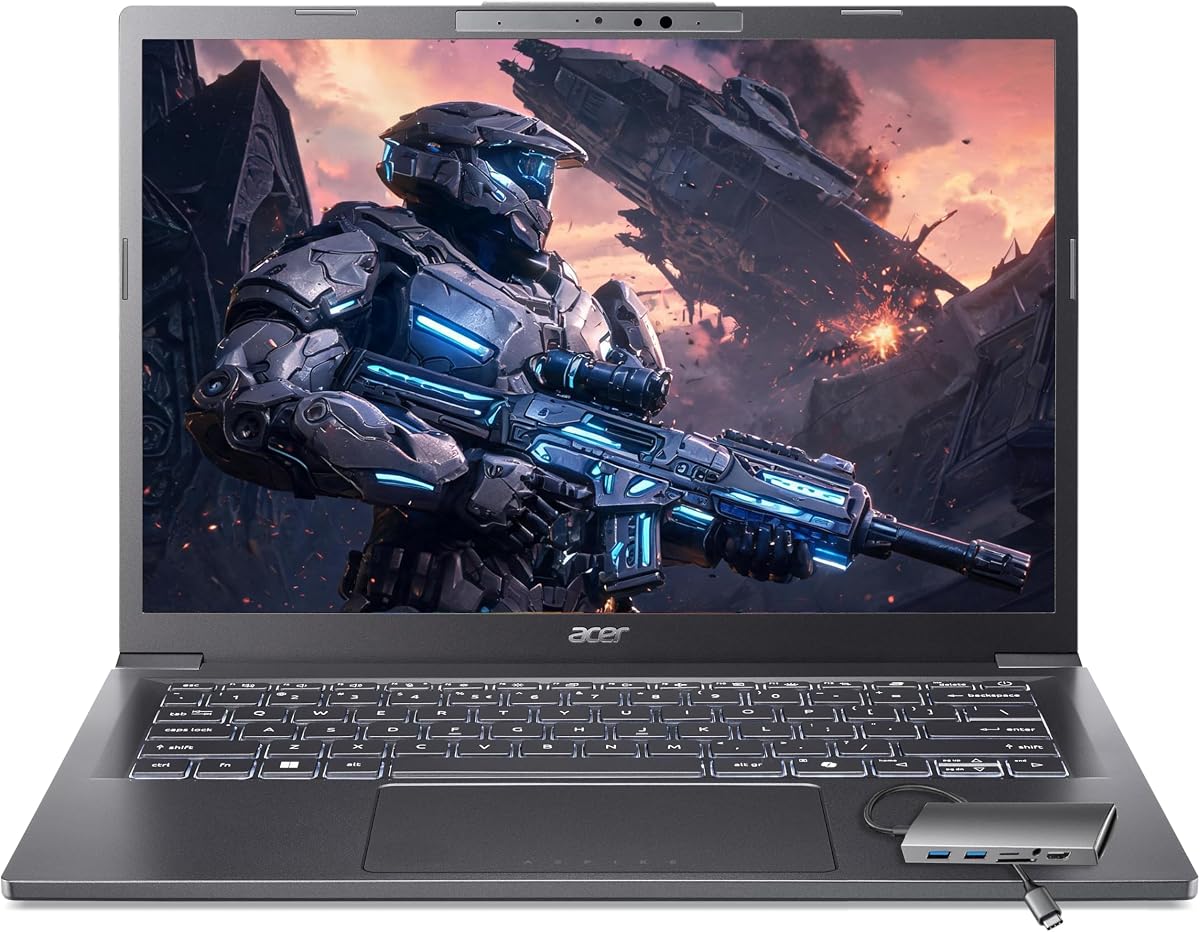
This Acer Aspire model stands out as the top choice for managing and storing photos due to its advanced processor and ample storage. With a 4.8 rating, it balances performance and portability effectively. The AI features enhance workflow efficiency without needing external tools.
We may earn a commission when you buy through this link, at no additional cost to you.
The Intel Ultra 7 258V processor includes a dedicated NPU, enabling local AI tasks like photo editing and automation. This is paired with 32GB RAM and a 2TB SSD, ensuring you can import, organize, and edit thousands of high-resolution images without slowdowns. The PCIe SSD delivers near-instant boot times.
While the price is higher than budget options, the productivity gains justify the investment. The 14-inch touchscreen supports stylus input for precise retouching, though some may prefer larger screens for multi-window workflows. The included USB hub eliminates adapter needs, streamlining your desk setup.
Ideal for photographers who need desktop-level power in a portable package. Whether working from a studio or coffee shop, this laptop handles heavy photo loads. Prioritize this if speed and AI assistance are critical to your daily workflow.
The dedicated NPU accelerates local AI tasks like background blur and photo editing, enhancing productivity without cloud dependency.
With 2TB of PCIe SSD space, you can store entire photo libraries locally without relying on external drives or cloud subscriptions.
We may earn a commission when you buy through this link, at no additional cost to you.
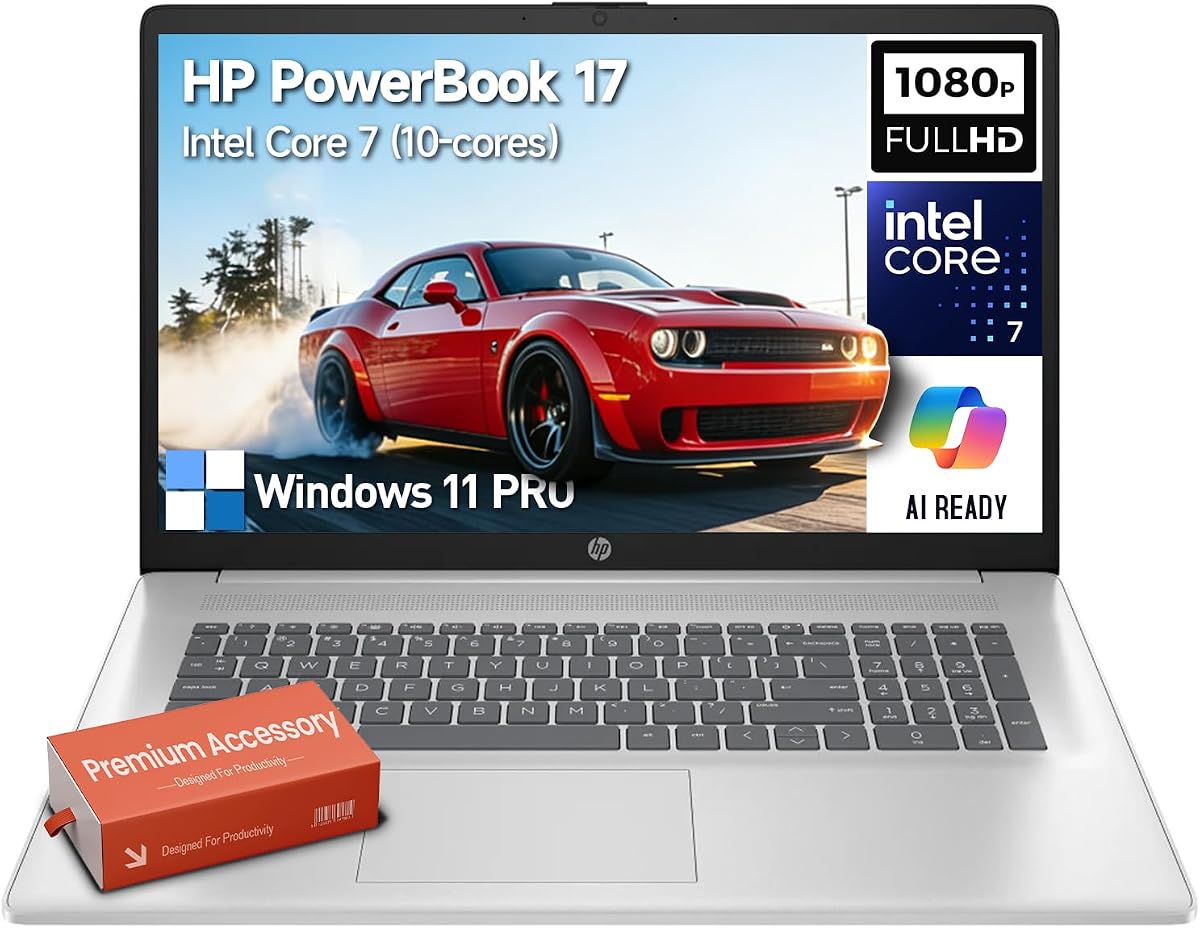
This HP model earns a perfect 5.0 rating for its premium build and top-tier specs. It is designed for heavy users who manage large photo databases daily. The combination of 64GB RAM and a 17-inch screen provides unmatched multitasking capability.
We may earn a commission when you buy through this link, at no additional cost to you.
The Intel Core 7 processor delivers faster performance than typical i7 chips. With 64GB RAM, you can run photo editing software, web browsers, and cloud sync apps simultaneously without lag. The 2TB SSD ensures ample space for RAW files and project archives.
The 17.3-inch FHD IPS display offers a spacious workspace for detailed editing. While it weighs more than smaller laptops, the larger screen and keyboard improve ergonomics. The B&O-tuned speakers provide quality audio for video reviews or background music.
Best for professionals needing maximum memory and screen real estate. If budget allows, this machine future-proofs your setup against growing file sizes. Ideal for studio work where portability is less critical than raw power.
With 64GB of RAM, you can handle demanding workflows like editing 4K video alongside organizing thousands of photos without performance drops.
The 17.3-inch screen gives you room to view full-resolution images while keeping toolbars and panels visible for efficient editing.
We may earn a commission when you buy through this link, at no additional cost to you.
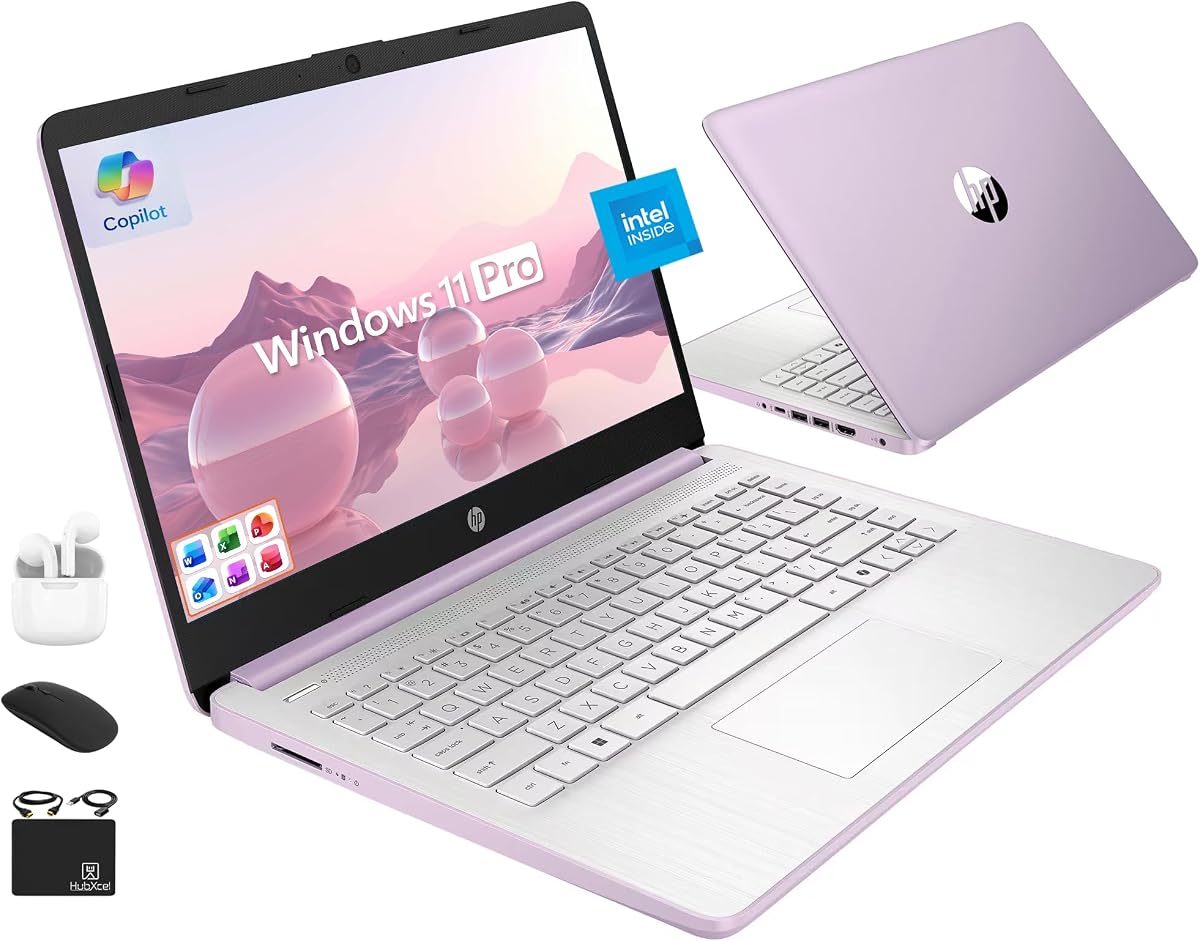
This HP 17 laptop is a standout budget option with a 5.0 rating, proving you don't need to spend a fortune to manage photos effectively. It offers a large screen and fast storage at a fraction of the cost of premium models.
We may earn a commission when you buy through this link, at no additional cost to you.
Powered by the AMD Ryzen 5 7520U, it delivers solid performance for everyday photo tasks. The 512GB SSD provides fast access to your files, while the anti-glare screen reduces eye strain during long sessions. Wi-Fi 6 ensures quick uploads to cloud storage.
The main trade-off is 8GB RAM, which may limit heavy multitasking. If you work with hundreds of open tabs while editing, you might notice slowdowns. However, for most users organizing and basic editing, it is more than capable.
Perfect for students or hobbyists starting their photo management journey. The included accessories add value, reducing initial setup costs. Choose this if budget is your primary concern but you still want a reliable, large-screen experience.
The anti-glare display minimizes reflections, allowing you to focus on your photo editing without distracting light interference.
Comes with accessories like a mouse and stand, saving money on peripherals and getting you started faster.
We may earn a commission when you buy through this link, at no additional cost to you.
This HP laptop offers a balanced mix of performance and usability. It features a touchscreen for intuitive navigation, which can be helpful for quick edits or presentations. The 32GB RAM ensures smooth operation even with multiple applications open.
We may earn a commission when you buy through this link, at no additional cost to you.
The AMD Ryzen 7 7730U processor handles demanding tasks well, from organizing large folders to running editing software. The 1TB SSD provides enough space for most users, while the lightweight design makes it easy to carry. The touchscreen adds versatility for touch-based interactions.
However, the 15.6-inch screen is smaller than 17-inch models, which might feel cramped for detailed work. Connectivity is sufficient but lacks specialized ports like SD card readers. Ensure you have an adapter if you need to connect external devices directly.
Recommended for users who value portability and touch functionality. It suits those who need a reliable daily driver without needing professional-grade specs. A solid middle-ground choice for general photo management.
The touchscreen allows direct interaction with your photos, useful for quick selections or zooming during presentations.
Weighing only 3.52 pounds, it is easy to transport between locations for collaborative photo reviews.
We may earn a commission when you buy through this link, at no additional cost to you.
This HP model is a solid business and home office machine. The large 17.3-inch display provides a comfortable workspace for organizing photo libraries. With 32GB RAM and a 1TB SSD, it handles multi-tasking efficiently.
We may earn a commission when you buy through this link, at no additional cost to you.
The AMD Ryzen 5 7430U processor delivers reliable performance for daily tasks. The numeric keypad is a useful addition for organizing photos with metadata or spreadsheet budgets. Fast Charge technology helps keep you productive on the go.
While the battery life is decent, heavy photo editing can drain it faster than light browsing. The physical privacy shutter on the webcam ensures secure video calls, important for remote work. The IPS display offers good viewing angles for presentations.
Suitable for users who need a professional look and reliable performance. It works well for both creative tasks and administrative work. A balanced option for those who prioritize screen size and security features.
With Windows 11 Pro and privacy features, this laptop meets professional standards for secure data management.
The numeric keypad and fast charge support streamline your workflow, ensuring you stay efficient throughout the day.
We may earn a commission when you buy through this link, at no additional cost to you.
This HP business laptop prioritizes memory and storage, making it suitable for large data volumes. The 64GB RAM ensures you can run multiple heavy applications simultaneously without performance hits. The included docking station adds connectivity convenience.
We may earn a commission when you buy through this link, at no additional cost to you.
The Intel Core i5 10-Core processor provides sufficient power for organizing and editing photos. The 2TB SSD offers ample space for storing high-resolution images. The 17.3-inch screen provides a wide workspace, though the resolution is standard HD rather than higher-end.
The docking station may require extra setup but simplifies connecting peripherals. The Windows 11 Pro and Office bundle adds business value. However, the screen resolution may not be ideal for color-critical photo work.
Best for business users needing high memory and storage in a standard setup. If you work with large databases or need to organize extensive photo collections, this configuration offers the necessary resources.
With 64GB RAM, you can run multiple editing tools and cloud syncing services simultaneously without lag.
The included docking station allows for quick connection to external displays and peripherals, reducing cable clutter.
We may earn a commission when you buy through this link, at no additional cost to you.
This HP laptop delivers efficient performance with a balance of speed and size. The 32GB RAM allows smooth operation across multiple applications. The 1TB SSD provides quick access to your photo libraries.
We may earn a commission when you buy through this link, at no additional cost to you.
The Intel Core i5 10-Core processor ensures responsiveness for daily tasks. The anti-glare IPS display improves visibility in various lighting conditions. It is lightweight enough for students or professionals who travel frequently.
While the 15.6-inch screen is compact, it suits those who need portability. The Windows 11 Pro environment supports business-level security. However, the design is functional rather than flashy.
Ideal for users who prioritize performance in a portable package. If you need a reliable machine for organizing photos on the go, this model offers solid value.
Its lightweight build makes it easy to carry, perfect for photographers who travel to different locations.
The anti-glare IPS panel ensures clear viewing even in bright environments, reducing eye fatigue during editing.
We may earn a commission when you buy through this link, at no additional cost to you.
This ultrabook focuses on portability and essential features. It includes lifetime Office and Windows 11 Pro, adding value for students or casual users. The compact size makes it easy to carry.
We may earn a commission when you buy through this link, at no additional cost to you.
The Intel N150 processor is basic but handles light tasks well. 16GB RAM helps with multitasking, but the storage is limited compared to other options. The included external drive helps expand space.
While suitable for basic photo organization, it may struggle with heavy editing or large libraries. The anti-glare screen reduces glare for comfortable viewing. The accessories bundle adds practical value for new setups.
Best for users needing a portable and budget-friendly machine. If your main goal is storing photos rather than intensive editing, this offers a convenient solution.
With lifetime Office included, you save on software subscriptions, making it a cost-effective choice for students.
Accessories like earbuds and an external drive simplify setup, ensuring you have everything you need from the start.
We may earn a commission when you buy through this link, at no additional cost to you.
This HP model offers a modern processor and large screen for everyday tasks. The Intel Core i5-1334U provides reliable performance for basic photo management. The 17.3-inch display creates a spacious workspace.
We may earn a commission when you buy through this link, at no additional cost to you.
The 512GB SSD delivers fast boot times, though storage may fill up quickly with many photos. 16GB RAM supports smooth multitasking. The privacy shutter adds a layer of security for video calls.
While not built for heavy editing, it is suitable for organizing and viewing. The IPS display ensures good viewing angles. The simple design keeps costs down while maintaining functionality.
Recommended for entry-level users who want a large screen without high costs. If your needs are focused on storage and basic viewing, this is a practical choice.
The 17.3-inch screen provides room to view multiple photo thumbnails or organize files efficiently.
A physical camera shutter ensures privacy during video chats, an important feature for home or office use.
We may earn a commission when you buy through this link, at no additional cost to you.
This Lenovo laptop stands out for its display ratio and memory speed. The 16:10 aspect ratio offers extra vertical space for scrolling through photo libraries. DDR5 RAM ensures fast data access.
We may earn a commission when you buy through this link, at no additional cost to you.
The Intel Core i7 processor handles multitasking well. The 1TB SSD provides ample space for most users. The SD card reader allows direct importing from cameras, streamlining workflow.
While the color gamut is basic, it suffices for general organization. The premium aluminum build feels durable and stylish. Connectivity is comprehensive, reducing the need for dongles.
Best for users needing efficient organization and solid performance. If you work with camera files often and want a streamlined setup, this model offers practical advantages.
The 16:10 aspect ratio allows you to see more content vertically, helpful for long file lists or editing timelines.
An SD card reader simplifies importing photos directly from your camera without needing external adapters.
We may earn a commission when you buy through this link, at no additional cost to you.
Selecting the right laptop involves balancing several key factors. We break down the essential specifications to help you choose a device that fits your photo workflow needs.
The processor is the brain of your laptop. For photo management, you want a modern CPU with multiple cores. Intel Core i5/i7 or AMD Ryzen 5/7 processors handle large file operations smoothly. Higher clock speeds ensure faster importing and organizing.
Look for 10th generation Intel or newer, or AMD Ryzen 5000 series and above. Avoid older or low-end chips if you work with high-resolution images regularly.
RAM determines how many applications can run simultaneously without slowing down. For photo tasks, at least 16GB is recommended. 32GB or more ensures you can edit photos while browsing or running cloud sync apps.
Prioritize models with 32GB if you manage large libraries or use multiple heavy apps. This prevents lag during peak workflows.
Storage is critical for storing large photo files. SSDs are much faster than HDDs, reducing load times. Aim for at least 512GB, with 1TB or 2TB preferred for extensive collections. PCIe NVMe drives offer the best speed.
If storage fills up, external drives work, but internal SSDs ensure better performance. Avoid laptops with only small eMMC storage.
A good display helps you organize and review photos accurately. Look for Full HD (1920×1080) or higher resolution. IPS panels provide better viewing angles. Color accuracy matters if you plan to edit photos later.
Prioritize 15-inch or larger screens for comfortable multitasking. Anti-glare coatings reduce eye strain during long sessions.
If you move frequently, weight and battery life matter. Lightweight laptops under 4 pounds are easier to carry. Battery life of 8+ hours ensures you work without constant charging. Balance size with mobility based on your routine.
Consider 13-14 inch models if you travel often. Larger 17-inch laptops offer screen space but are heavier.
Ports allow you to connect cameras, drives, and monitors. USB-C is essential for modern fast data transfer. An SD card reader simplifies importing from cameras. HDMI or DisplayPort helps connect to external monitors.
Check for enough USB ports and modern standards like USB 3.2 or Thunderbolt. This reduces dependency on hubs.
Windows 11 offers better security and file management features. Look for Windows Pro if you need advanced network features. Macs are also good for photo work but differ in cost and ecosystem.
Ensure the OS supports your preferred software. Check compatibility with photo management tools before buying.
A sturdy chassis protects your investment. Aluminum or premium plastic builds resist wear and tear. Privacy features like camera shutters add security. Good typing comfort helps with long metadata entry.
Prioritize durable designs if you travel frequently. Check warranty terms for added peace of mind.
To maximize performance, regularly clean your photo folders to remove duplicates. Use built-in tools or third-party apps to organize by date or tags. Keep your operating system and drivers updated for smooth operation.
Protect your hardware by using a cooling pad during long editing sessions. Avoid placing the laptop on soft surfaces that block vents. Use a surge protector to safeguard against power fluctuations.
Backup your photos using external drives or cloud services. Regular backups prevent data loss. Clean your screen with a microfiber cloth and avoid harsh chemicals. Proper care extends the laptop lifespan.
For most users, 16GB is sufficient for basic organization. If you run multiple heavy apps like Photoshop alongside browsers, aim for 32GB to avoid slowdowns.
SSDs are highly recommended because they are much faster than HDDs. This reduces boot times and file access speeds, making photo management more efficient.
A larger screen like 15-inch or 17-inch helps you see more photos at once. It makes organizing libraries easier compared to smaller screens.
Yes, many laptops in this list support photo editing. Look for good GPUs and color-accurate displays if you plan to edit RAW files.
An SD card reader simplifies transferring photos directly from cameras. It is convenient if you shoot regularly and want to avoid adapters.
Modern Intel Core i5/i7 or AMD Ryzen 5/7 processors provide excellent performance. Look for 12th generation Intel or newer Ryzen for best efficiency.
Our top picks include the Acer Aspire 2026 for overall performance, the HP 2026 Powerbook for premium power, and the HP 17 as a budget champion. Each offers unique strengths depending on your specific needs.
Prioritize RAM and storage capacity to ensure your system handles growing photo libraries. Balance portability with screen size based on where you work most often.
Always verify current pricing and availability before purchasing. Prices change frequently, and checking the latest deals ensures you get the best value for your investment.