
FotoZ Macro Conversion Lens
4.6Editor score
37mm to 72mm universal threads
Tool-free instant snap-on design
Eight diopter macro power
This guide compares the top ten macro lenses for insect photography across budgets, helping you choose the right gear for sharp close-up nature shots in 2026.
Macro lenses for insect photography allow you to capture stunning details of tiny subjects that are often invisible to the naked eye. These specialized optics bring the world of insects, flowers, and small textures to life with incredible clarity and depth. Choosing the right lens can transform your mobile or camera shots from simple snapshots into professional-grade nature photography.
We have analyzed ten distinct options ranging from affordable smartphone attachments to high-end professional camera lenses. Each product was evaluated based on optical quality, magnification capabilities, build durability, and ease of use for outdoor shooting. Our goal is to help you find the perfect tool for capturing insects without scaring them away or compromising image sharpness.
Every pick in this list showcases unique strengths tailored to different camera systems and budget levels. Whether you use a phone or a DSLR, you will find a solution that fits your needs. Please note that prices and availability change frequently, so verify current details before making your final purchase decision for your next nature adventure.
4.6Editor score

4.7Editor score
4.6Editor score
This side-by-side comparison highlights the key specifications and features of each selected macro lens to help you decide quickly. We focus on magnification, compatibility, and optical performance to show how each option performs for insect photography specifically.


The Canon RF100mm F2.8 L Macro is USM Lens stands out as the top choice for serious insect photographers using Canon RF cameras. With a unique 1.4x magnification ratio, it allows you to capture details larger than life size without extra extension tubes. Its high image quality and bright aperture make it a versatile tool for both nature and portrait work.
We may earn a commission when you buy through this link, at no additional cost to you.
This lens features an Optical Image Stabilizer that compensates for shake up to five stops, which is crucial when shooting insects at close range. The Hybrid IS system corrects both angular and shift camera shake, ensuring sharp images even in lower light conditions. The Spherical Aberration Control Ring lets you adjust the character of the background bokeh for creative control.
While it is more expensive than entry-level options, the investment pays off in sharpness and reliability. The weight might be a consideration for long hiking trips, but the build quality justifies it. Photographers who need professional results will find the trade-offs acceptable given the superior performance.
If you own a Canon EOS R camera, this is the definitive macro lens for insect photography. It delivers unmatched clarity and flexibility. We recommend it for those seeking the best possible image quality and unique magnification capabilities in the current market.
The 1.4x magnification ratio allows for extreme close-ups that reveal textures invisible to other lenses.
Hybrid IS ensures sharp handheld shots by correcting both angular and shift movements during capture.
We may earn a commission when you buy through this link, at no additional cost to you.
The FotoZ Macro Conversion Lens offers an affordable way to transform your existing camera lens into a macro setup for capturing fine insect details. It supports a wide range of filter threads from 37mm to 72mm, making it versatile for many cameras. This makes it an excellent starting point for hobbyists who do not want to buy a dedicated macro lens yet.
We may earn a commission when you buy through this link, at no additional cost to you.
Its optical design features three elements in three groups with multi-coated glass to control distortion and improve light transmission. This helps deliver clearer close-up details of flowers and small organisms. The spring-loaded adapter allows you to switch between macro and normal photography quickly without tools, keeping your original lens setup intact.
Although it is not as sharp as a dedicated macro lens, it provides a practical solution for close-up results. The distortion control is decent but may not match premium optics. It is a great choice for those exploring macro photography on a tight budget.
If you want to try macro photography without spending a lot, this kit is a strong candidate. It works well for casual insect shooting and product details. We recommend it for beginners looking to expand their capabilities without a heavy financial commitment.
Supports many filter threads from 37mm to 72mm, fitting a wide array of camera lenses.
Spring loaded adapter attaches securely without tools, allowing quick switching between modes.
We may earn a commission when you buy through this link, at no additional cost to you.
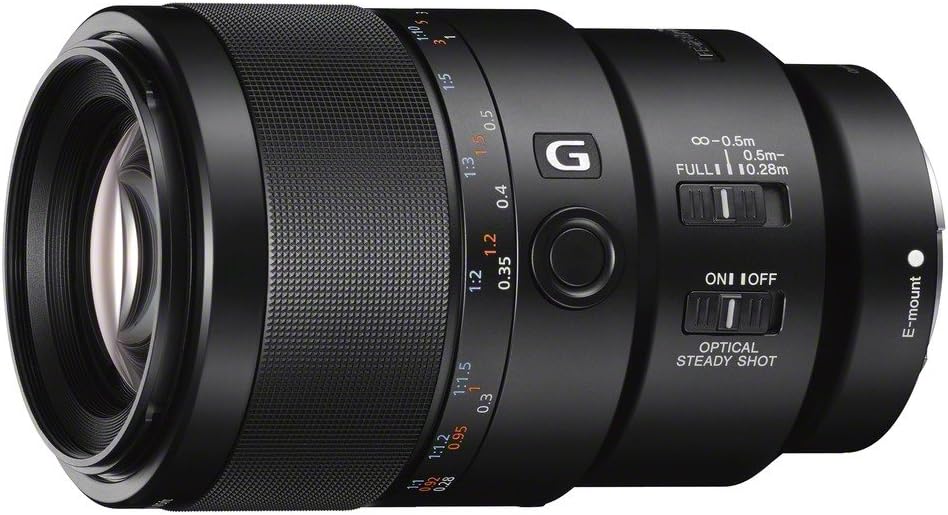
The Sony FE 90mm F2.8 Macro G OSS Full-Frame Lens is a top-tier choice for Sony shooters demanding exceptional optical performance. It offers a 1.0x magnification ratio and a bright F2.8 maximum aperture that creates beautiful bokeh. Nano AR coating suppresses reflections for clean images even in challenging lighting.
We may earn a commission when you buy through this link, at no additional cost to you.
Dust and moisture resistance ensures reliability during outdoor insect photography where conditions can be unpredictable. The Optical Steady Shot image stabilization supports handheld shooting by reducing shake effects. Direct Drive SSM provides quiet and precise focusing, which is essential when working with skittish subjects.
The weight of 602 grams is manageable but can be tiring over long periods. However, the sharpness and build quality justify the investment for professionals. This lens delivers consistent results that are hard to match with other options in its class.
For Sony users who prioritize image quality and durability, this lens is the premium choice. It excels at capturing intricate details of insects with precision. We recommend it for serious photographers willing to invest in top-tier glass.
Dust and moisture resistant design ensures reliable performance in various outdoor environments.
Nano AR coating and multi-coated Super ED glass reduce flare and ghosting significantly.
We may earn a commission when you buy through this link, at no additional cost to you.
The TTARTISAN 40mm f/2.8 Macro Lens is a solid value for Sony users looking for 1:1 magnification without breaking the bank. Weighing just 13.1 oz, it is significantly lighter than many competitors, making it ideal for travel. Its sturdy all-metal construction ensures durability for field use.
We may earn a commission when you buy through this link, at no additional cost to you.
With dual LD glass and an 11-blade design, it minimizes aberrations and delivers exceptional sharpness. The F2.8 aperture provides beautiful background blur perfect for isolating insects. It covers a minimum focusing distance of 6.7 inches, ideal for detailed shots without startling subjects.
The lack of autofocus might be a drawback for moving insects, but it offers precise control. While optimized for APS-C sensors, it performs well across the E-Mount system. This lens balances cost and quality effectively for hobbyists.
If you prefer manual focus and compact gear, this lens is a great addition to your kit. It delivers professional results at a lower price point. We recommend it for photographers exploring macro work on Sony cameras.
Weighing only 13.1 oz, this lens is built for easy transport and outdoor exploration.
Seven groups with eight elements and dual LD glass ensure sharp, clear images.
We may earn a commission when you buy through this link, at no additional cost to you.
The Canon RF35mm F1.8 Macro STM Lens provides a versatile option for Canon RF users seeking close-up capabilities without a dedicated macro lens. Its 0.5x magnification ratio is less than full macro but sufficient for many nature details. Optical Image Stabilization up to 5 stops helps maintain sharpness handheld.
We may earn a commission when you buy through this link, at no additional cost to you.
The control ring allows direct setting changes for quick adjustments while shooting. Its 0.56 ft minimum focusing distance makes it easy to get close to insects. While not a true macro lens, it offers a practical solution for versatile shooting.
It is ideal for those who also want a good walk-around lens for portraits and landscapes. The stabilization ensures steady shots even in lower light. It is a balanced choice for multifunctional photographers.
If you want a single lens that handles both everyday shooting and close-ups, this is a strong option. It is not specialized but offers great flexibility. We recommend it for generalists using Canon EOS R cameras.
Light and portable with 0.5x magnification for everyday shooting versatility.
5 stop stabilization and control ring enable steady shots and easy settings adjustment.
We may earn a commission when you buy through this link, at no additional cost to you.
The APEXEL 100Ultra Macro Lens transforms smartphones into powerful macro tools for insect photography. With 10x magnification, you can capture flower blooms and insect details without a camera. Its 50-110mm telephoto macro range allows shooting from a distance, reducing disturbance to subjects.
We may earn a commission when you buy through this link, at no additional cost to you.
The ultra-large F1.05 aperture supports beautiful bokeh and low-light performance on your phone. Multi-lens combinations boost light transmittance to 99.5%, minimizing reflections and flare. Simply clip it onto your phone's camera without tools to upgrade your mobile photography instantly.
While designed for phones, the image quality is impressive for social media and casual use. The clip-on design fits many iPhone and Samsung models. It is an excellent budget-friendly entry into macro photography for mobile users.
If you rely on your phone for photography, this lens adds serious macro capabilities. It lets you capture details normally lost on mobile sensors. We recommend it for smartphone photographers seeking affordable upgrades.
50-110mm focal range lets you capture details without getting too close to subjects.
99.5% light transmittance and F1.05 aperture ensure clear, bright shots.
We may earn a commission when you buy through this link, at no additional cost to you.
The ULANZI CL-003 Phone Macro Lens offers HD imaging with 10x optical magnification for detailed insect photography. It uses tele-focusing operation to bring back professional DSLR control, letting you set the distance between 45mm and 90mm as needed. This adds flexibility beyond typical clip-on lenses.
We may earn a commission when you buy through this link, at no additional cost to you.
Its precision optical design uses upgraded technology to reduce distortion and increase light throughput. The aluminum alloy material feels durable with non-slip texture for better grip. You can mount it via the included cold shoe clip or a 17mm screw port case.
The design focuses on master-style aesthetics combined with practical performance. It is ideal for those who want stable mounting rather than a simple clip. The optical quality is strong for mobile close-ups.
For mobile photographers wanting stable and adjustable macro shots, this lens is a great option. It balances build quality with high-resolution capabilities. We recommend it for serious smartphone macro work.
Adjustable focusing range from 45 to 90mm provides control over shooting distance.
Aluminum alloy material with non-slip texture ensures durability and grip in the field.
We may earn a commission when you buy through this link, at no additional cost to you.
The Xenvo Pro Lens Kit for iPhone and Android includes a Clarus 15x Macro Lens plus a wide-angle option. The TruGrip Lens Clip provides superior gripping power to keep lenses secure. The GlowClip Rechargeable LED Light helps illuminate subjects in darker settings, superior to built-in phone flashes.
We may earn a commission when you buy through this link, at no additional cost to you.
Crafted from aircraft-grade aluminum and premium optical glass, the lenses minimize ghosting and flare. The kit is compatible with all smartphones and tablets, making it versatile. A travel case stores and protects all components safely for on-the-go use.
While not professional-grade, the kit is a convenient all-in-one solution for hobbyists. The LED light is a unique feature that improves low-light close-ups. It is affordable and easy to use for casual macro photography.
If you want a complete mobile kit with lighting, this is a good value. It covers macro and wide needs while protecting your gear. We recommend it for beginners exploring mobile macro photography.
GlowClip LED light provides warm continuous illumination superior to phone flash.
Travel case and lanyard ensure safe transport and quick access on outings.
We may earn a commission when you buy through this link, at no additional cost to you.
The 67mm Close-up Filter Kit offers four power options (+1, +2, +4, +10) to create a macro setup on your DSLR. Each close-up lens maintains resolution while magnifying image size. They are double threaded, allowing stacking to create higher powers like +5 or +6 as needed.
We may earn a commission when you buy through this link, at no additional cost to you.
This versatility lets you adapt to different subjects without buying multiple lenses. It is perfect for photographing flowers, insects, and small items. The kit includes a nylon pouch and lens cap for organized storage and protection.
While stacking reduces optical quality slightly, the flexibility is useful for varied shots. Always verify your lens thread size before ordering since this kit is fixed at 67mm. It is an affordable way to add macro power to existing lenses.
If you already own a 67mm lens, this kit is a practical extension of your capabilities. It provides a range of magnifications for different needs. We recommend it for budget-conscious photographers with compatible gear.
Filters can be stacked to create +3, +5, +6, and +7 magnification powers.
Four distinct diopter options allow flexibility for various macro scenarios.
We may earn a commission when you buy through this link, at no additional cost to you.
The AstrHori 25mm F2.8 2-5X Ultra Macro Lens is designed for full-frame and APS-C Sony E-Mount cameras. It offers a dedicated 2:1 to 5:1 magnification range, capturing details beyond life-size. This makes it ideal for extreme close-up insect photography where texture is critical.
We may earn a commission when you buy through this link, at no additional cost to you.
Its wide-angle configuration provides greater depth of field compared to telephoto macro lenses. Manual focus operation gives photographers precise control over focusing distance. The slim and lightweight design facilitates handheld use and ample space for lighting the subject.
Lack of infinity focus means it is specialized for macro use only. The depth of field advantage is significant for keeping small subjects sharp. It is a niche lens for those needing extreme magnification.
If you require magnification beyond 1:1, this lens is a strong specialized choice. It balances weight and optical performance well for its purpose. We recommend it for serious macro enthusiasts on Sony systems.
2-5x magnification allows capturing details surpassing life-size proportions.
Wide-angle setup optimizes depth of field for sharp, detailed focus on subjects.
We may earn a commission when you buy through this link, at no additional cost to you.
Selecting the right macro lens depends on your camera system, budget, and specific shooting needs. This section covers key factors to help you make an informed decision.
The magnification ratio determines how large your subject appears in the frame. A 1:1 ratio means the subject is life-size on the sensor, while higher ratios like 2:1 capture even more detail. For insects, a higher magnification reveals intricate features that standard lenses miss.
Always check the maximum magnification value when shopping to ensure it meets your close-up needs.
Lenses are designed for specific camera mounts like Canon RF, Sony E-Mount, or smartphone clips. Ensure the lens matches your camera body to avoid adapter complications. Phone lenses must fit your model securely.
Confirm mount compatibility before purchasing to guarantee proper fit and functionality.
This distance defines how close you can get to your subject. Shorter distances are ideal for small insects but may scare them. Balancing reach and proximity is key for wildlife photography.
Look for a comfortable minimum distance that allows capturing details without startling the subject.
A larger aperture like f/2.8 allows more light and shallow depth of field for artistic blur. However, macro work often requires higher f-stops for more focus area. Choose based on your style.
Consider if you need wide apertures for low light or smaller ones for overall sharpness.
Outdoor insect photography often involves dust, moisture, and rough handling. Lenses with weather sealing survive these conditions better. All-metal builds offer durability compared to plastic ones.
Invest in durable construction if you plan to shoot frequently in natural environments.
Handheld macro shots suffer from shake due to high magnification. Optical Image Stabilization helps counteract this motion for sharper images. Some lenses offer hybrid stabilization for shift and angular movement.
Prioritize lenses with stabilization if you shoot handheld without a tripod.
Macro lenses range from affordable adapters to professional glass. Entry-level filters and phone lenses offer low-cost access, while dedicated lenses deliver superior optics. Balance your needs with what you can afford.
Determine a budget that reflects how often you will use the lens for insect work.
Autofocus is quick for moving subjects, but manual focus offers precise control for still insects. Some lenses lack autofocus for cost or size reasons. Decide which workflow suits your style.
Manual focus is often preferred for macro to ensure exact sharpness on specific features.
Start by mounting your lens securely and setting the camera to macro mode if available. Approach your subject slowly to avoid shaking the ground or scaring insects. Use natural light or a diffuser to soften harsh shadows.
Adjust your aperture to find the right balance between depth of field and light. Higher f-stops increase sharpness across the subject. Keep a low angle to match the eye level of small insects for natural perspectives.
After shooting, clean the lens gently with a microfiber cloth and store it in a dry case. Avoid touching the glass with fingers to prevent smudges. Regular maintenance ensures clear images for future shoots.
Most insect photographers prefer a 1:1 magnification ratio to capture life-size details. For extreme close-ups, lenses offering 2:1 or higher magnification reveal textures like wing veins. This range allows detailed study without needing extension tubes.
Yes, macro lenses often serve well for portraits and product photography due to their sharpness. They provide beautiful bokeh and accurate colors in addition to close-up capabilities. Many photographers own a macro lens as a versatile addition to their kit.
High-quality phone lenses like APEXEL or ULANZI can produce impressive results for social media. They allow magnification without a heavy camera setup. However, they may lack the optical precision of dedicated camera lenses.
Use optical image stabilization on your lens or camera to reduce shake. Resting your hands or body on a stable surface helps too. A tripod is ideal for stationary subjects to ensure maximum sharpness.
Manual focus provides precise control which is often needed for critical sharpness on insects. Autofocus can hunt in low light or when subjects move. Many pros prefer manual for still macro work.
Dedicated macro lenses deliver optical quality and features adapters cannot match. They are a valuable investment for serious nature photographers seeking professional results. Entry-level options suffice for casual hobbyists testing the field.
We have reviewed ten options ranging from smartphone accessories to premium optical lenses. The Canon RF100mm leads for quality, while the FotoZ conversion lens offers affordability. Each product serves different needs based on your system and goals.
Prioritize magnification, mount compatibility, and build quality when selecting your next lens. Consider whether you need autofocus or stabilization for your specific shooting style. Balancing these factors ensures you get a tool that enhances your creativity.
Prices for these lenses fluctuate often based on market demand and promotions. Always check current listings for the most accurate details before buying. This list provides a solid starting point to elevate your insect photography journey.