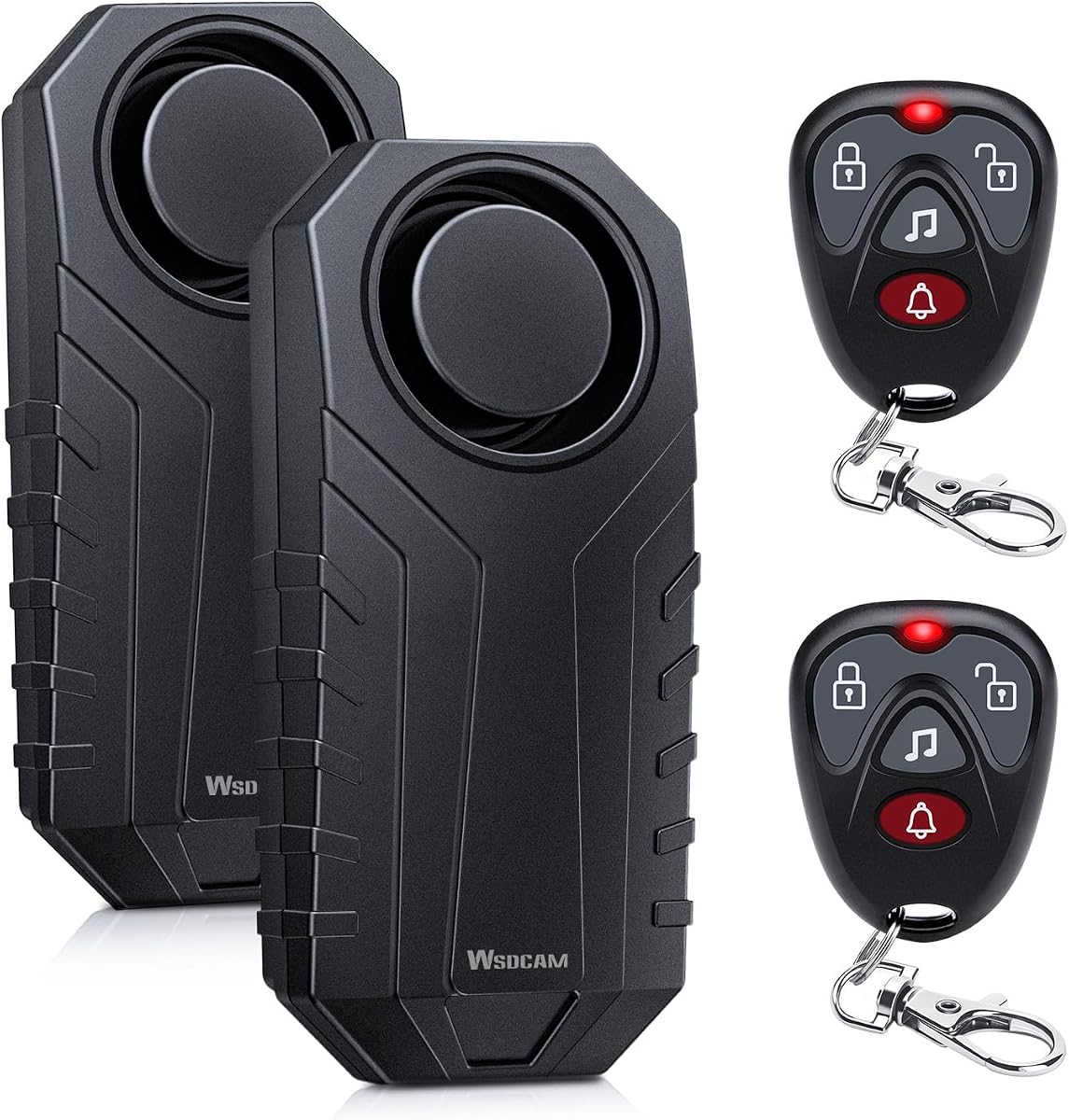
WSDCAM 113dB Loud Anti Theft Vibration Sensor Alarm Systems
4.6Editor score
113dB Loud Alarm
IP65 Waterproof Rating
Adjustable Sensitivity
This guide compares the top 10 alarm system for boats to help you choose reliable security monitoring and tracking features for your vessel in October 2026.
Securing your vessel is essential for peace of mind while docked or in storage. A reliable alarm system for boats detects motion, water ingress, or unauthorized access instantly. These systems deter theft and prevent costly damage from flooding or electrical failures.
We evaluated ten top-rated marine security solutions based on sensor accuracy, connectivity, and durability. Each product offers unique features like GPS tracking, remote alerts, or physical security bars. Our analysis focuses on real-world performance and ease of installation for various boat types.
Every pick includes detailed specs, pros, cons, and expert recommendations for different needs. Prices and availability change frequently, so verify current details before purchasing. Use this guide to find the right protection for your specific maritime environment and budget requirements.
4.6Editor score

4.8Editor score

4.7Editor score
This side-by-side comparison highlights the core specifications and capabilities of each ranked product. Review sensor types, connectivity options, power sources, and installation complexity to find the best fit for your boat security needs quickly.




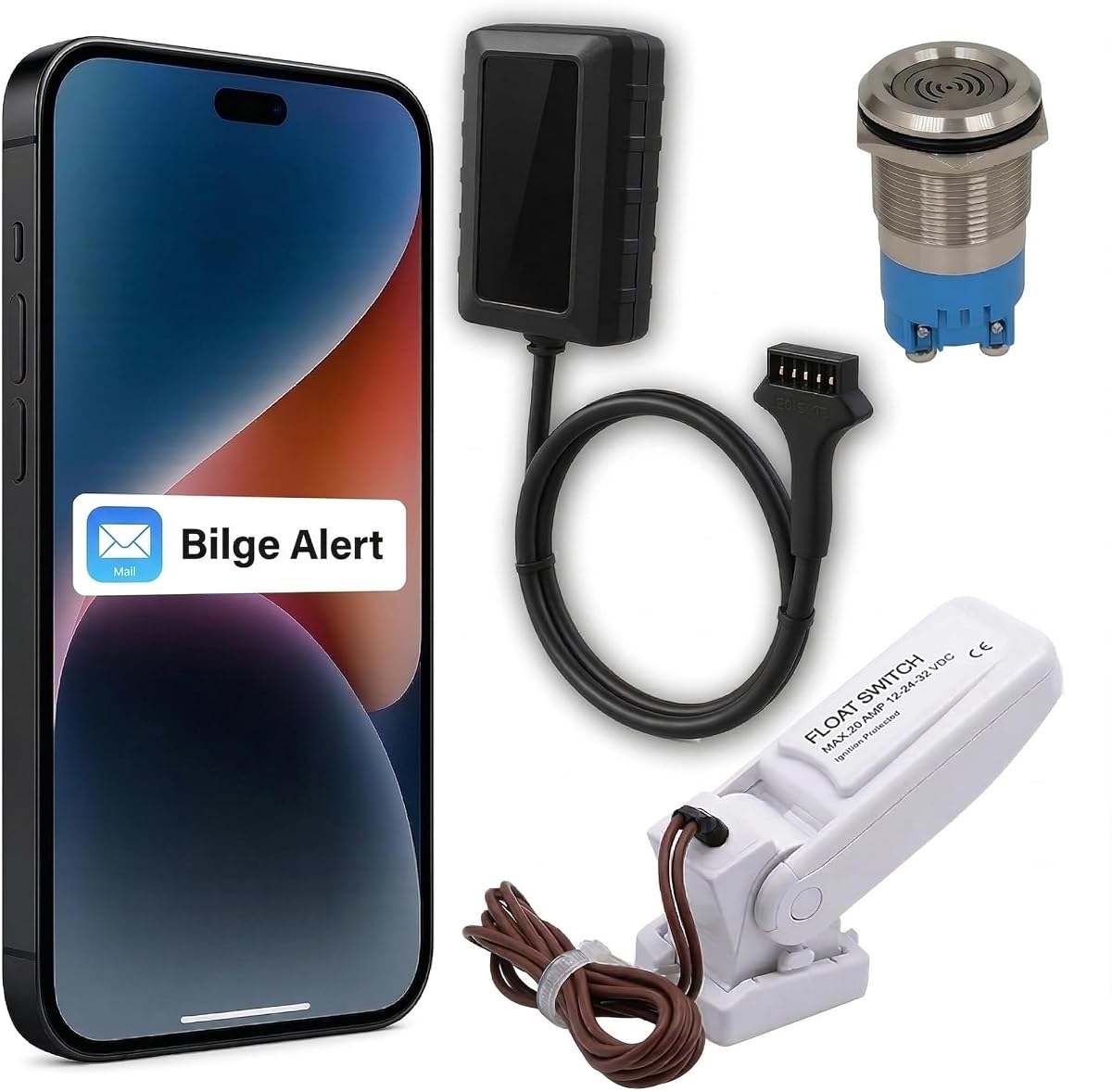
The LocMarine Global LTE Boat Monitoring & Security Hub stands out as a top choice for comprehensive boat security. With a high rating, this system delivers real-time alerts for bilge water, battery status, and unauthorized entry. Its rugged design ensures reliability in harsh marine environments.
We may earn a commission when you buy through this link, at no additional cost to you.
Key strengths include the inclusion of all necessary sensors and insurance-ready features. The LTE technology provides broad connectivity without needing a NMEA network. The user-friendly app allows remote monitoring from anywhere, giving owners peace of mind while their vessel is docked.
Trade-offs involve the higher price point compared to basic alarms. Additionally, performance depends on cellular coverage in your area. However, the peace of mind provided by comprehensive monitoring outweighs these factors for most serious boat owners seeking top-tier security.
This hub is ideal for boat owners who want complete oversight of their vessel's health and security. It suits those prioritizing insurance benefits and reliable data tracking. We highly recommend it for anyone needing a robust, all-in-one solution for modern marine monitoring needs.
The insurance-ready features can help reduce premiums and ensure compliance with safety standards.
4G/5G LTE technology ensures alerts reach your phone quickly even without local network infrastructure.
We may earn a commission when you buy through this link, at no additional cost to you.
The WSDCAM vibration sensor alarm offers an affordable entry point into boat security. Although designed for vehicles, its loud alarm and waterproof rating make it suitable for small vessels or specific areas. It provides a strong deterrent against theft and tampering at low cost.
We may earn a commission when you buy through this link, at no additional cost to you.
Its standout feature is the 113dB alarm volume, which effectively scares off potential intruders. The adjustable sensitivity allows users to fine-tune detection to avoid false alarms from normal boat movement. The waterproof construction ensures durability against spray and rain.
While not purpose-built for boats, its multi-purpose nature allows flexible deployment. The lack of integrated GPS or cellular tracking limits remote monitoring. However, for basic physical security where cost is a primary factor, this alarm delivers significant value and reliability.
Ideal for budget-conscious owners or secondary storage areas like trailers or lockers. It works well as part of a layered security approach. We recommend it for those needing a simple, loud deterrent without complex wiring or subscription services.
At an accessible price, this alarm allows boat owners to add layers of protection without financial strain.
Seven levels of sensitivity let you balance security with convenience to avoid nuisance alerts from waves.
We may earn a commission when you buy through this link, at no additional cost to you.
BoatSense by BilgeBuddy delivers premium smart monitoring capabilities for modern boats. Its ability to control bilge pumps remotely sets it apart from standard alarms. With a high rating, it provides critical alerts for water levels, battery health, and GPS location instantly.
We may earn a commission when you buy through this link, at no additional cost to you.
The smart health tests ensure your safety systems are functional before you need them. Real-time GPS tracking aids in theft prevention and location awareness. Multiple alert methods including push notifications and email keep you informed even when away from the vessel.
Premium features come with a higher price tag and potential subscription requirements. However, the added layer of automation and remote control offers significant convenience. This system transforms passive monitoring into active management of your boat's safety systems.
Perfect for tech-savvy owners who want active control and comprehensive oversight. It suits those willing to invest in advanced safety features. We recommend this system for anyone seeking a fully integrated smart solution for long-term peace of mind.
Take immediate action on water intrusion by activating pumps from anywhere via your smartphone.
Regular automated tests verify pump and float switch functionality to prevent unexpected failures.
We may earn a commission when you buy through this link, at no additional cost to you.
The Skyhawk Oversea Cellular Hub serves as a self-powered heart for smart boat systems. It delivers alerts within seconds via cutting-edge IoT connectivity. Its drop-in installation makes it easy to upgrade existing setups without complex wiring or shore power connections.
We may earn a commission when you buy through this link, at no additional cost to you.
The hub runs on AA batteries for years without draining your vessel's battery. It supports a wide range of sensors for comprehensive monitoring. Made in the USA with marine-grade construction, it ensures durability against harsh environmental conditions.
Its dependency on compatible sensors means you must expand the ecosystem fully. However, the flexibility to choose specific sensors adds value. The long battery life and wireless design make it a hassle-free option for monitoring while avoiding electrical drain issues.
Ideal for boat owners seeking modular smart monitoring without wiring headaches. It works well for vessels needing location and health tracking. We recommend this gateway for those prioritizing ease of installation and independent power systems.
Self-powered operation ensures continuous monitoring without impacting your boat's existing electrical systems.
Wirelessly links to various sensors allowing you to customize coverage for your specific boat layout.
We may earn a commission when you buy through this link, at no additional cost to you.
The Murphy ST10AS-LM provides a solid solution for remote alarm monitoring in marine environments. It is designed to alert crews of developing issues in engines, gears, and bilges. Its general-purpose nature makes it adaptable for various industrial or recreational applications.
We may earn a commission when you buy through this link, at no additional cost to you.
Key features include the ability to monitor up to ten points remotely. This helps centralize critical system status information in the pilot house. The annunciator ensures that problems are detected early, preventing minor issues from becoming major mechanical failures.
This model lacks a flange, which may require additional mounting hardware. It focuses on functionality over modern smart features like GPS. However, for standard mechanical monitoring needs in professional settings, it delivers reliable performance and easy crew communication.
Best for commercial vessels or large recreational boats with complex engine systems. It suits captains prioritizing traditional annunciator systems. We recommend this unit for those needing a straightforward way to monitor multiple critical systems simultaneously.
Keep the crew informed about critical engine or bilge issues from a distant location on the boat.
Flexible installation options allow use across various marine applications without specialized constraints.
We may earn a commission when you buy through this link, at no additional cost to you.
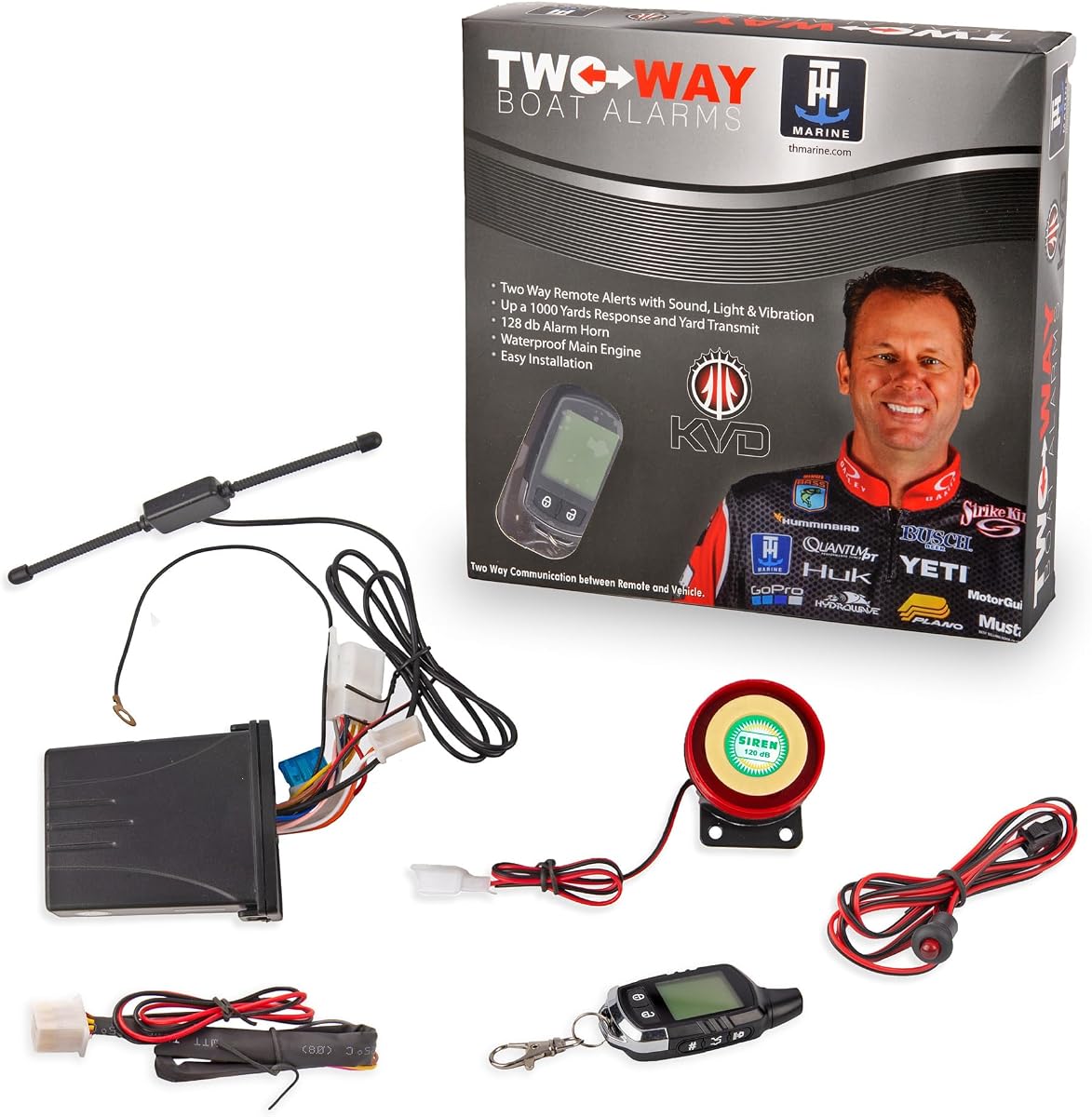
The T-H Marine 2-Way Boat Alarm System focuses on long-range alerts and loud deterrents. Its remote control offers feedback through vibration and flashing to ensure you know when an alarm triggers. The shock sensor detects impact or motion directly on the vessel.
We may earn a commission when you buy through this link, at no additional cost to you.
The 128 dB horn provides an intense audio deterrent to scare off intruders immediately. It supports a massive range of 3000 yards, allowing you to monitor from a distance. The waterproof construction ensures the unit can withstand marine elements effectively.
Customer feedback indicates some inconsistencies with sensitivity settings and connectivity. While the specs are strong, reliability varies by unit. Proper setup is essential to avoid false alarms caused by boat movement in rough water conditions.
Suitable for owners needing long-range physical deterrence. It works well for boats stored away from home where distant alerts matter. We recommend careful calibration and testing to ensure reliable performance in your specific marina environment.
Receive notifications up to 3000 yards away ensuring you stay informed even when away from the dock.
The remote vibrates and beeps so you know immediately when the alarm is active without looking at it.
We may earn a commission when you buy through this link, at no additional cost to you.
BoatSense by BilgeBuddy delivers premium smart monitoring capabilities for modern boats. Its ability to control bilge pumps remotely sets it apart from standard alarms. With a high rating, it provides critical alerts for water levels, battery health, and GPS location instantly.
We may earn a commission when you buy through this link, at no additional cost to you.
The smart health tests ensure your safety systems are functional before you need them. Real-time GPS tracking aids in theft prevention and location awareness. Multiple alert methods including push notifications and email keep you informed even when away from the vessel.
Premium features come with a higher price tag and potential subscription requirements. However, the added layer of automation and remote control offers significant convenience. This system transforms passive monitoring into active management of your boat's safety systems.
Perfect for tech-savvy owners who want active control and comprehensive oversight. It suits those willing to invest in advanced safety features. We recommend this system for anyone seeking a fully integrated smart solution for long-term peace of mind.
Take immediate action on water intrusion by activating pumps from anywhere via your smartphone.
Regular automated tests verify pump and float switch functionality to prevent unexpected failures.
We may earn a commission when you buy through this link, at no additional cost to you.
The T-H Marine Loc-R-Bar provides a robust physical barrier specifically for deck security. It spans the deck to tie multiple lockers together preventing thieves from popping single hatches. The included alarm padlock adds a loud audio deterrent when locked.
We may earn a commission when you buy through this link, at no additional cost to you.
Stainless steel construction ensures durability against salt and moisture. It adjusts to fit your boat layout for precise deployment. Simple mounting brackets allow easy installation for bass or bay boats without specialized tools. This creates a unified security perimeter.
It focuses specifically on valuable rod and tackle compartments. While it does not monitor internal systems like bilge pumps, it effectively protects external gear. It is an excellent complement to electronic systems by securing high-value physical assets.
Ideal for anglers leaving boats at ramps or hotels. It protects gear during travel or overnight stays. We recommend this for owners needing strong physical security combined with audible alerts for external compartments.
The padlock itself sounds an alarm if triggered adding a loud deterrent without extra wiring.
By locking multiple hatches together thieves cannot access individual compartments quickly.
We may earn a commission when you buy through this link, at no additional cost to you.
The Wireless Boat Motion Sensor uses PIR technology to detect movement onboard instantly. It detects people or animals moving on decks or inside cabins within seconds. Powered by AA batteries, it operates independently without draining your boat's electrical system.
We may earn a commission when you buy through this link, at no additional cost to you.
It connects via long-range RF to the Oversea Hub for alerts. This setup allows flexible placement anywhere on the vessel due to multiple mounting options. Rugged marine-grade construction ensures it withstands saltwater and humidity effectively over time.
While highly rated, it requires the Hub and subscription for full remote alerting. This adds to the total cost but ensures reliable communication. The compact design means it remains unobtrusive while providing critical coverage for valuable areas.
Best for those already using the Oversea ecosystem needing expanded coverage. It suits owners targeting cabins and decks specifically. We recommend it for comprehensive indoor and outdoor monitoring paired with the central hub.
Multiple mounting options with Velcro or magnets let you secure sensors anywhere easily.
Batteries last years ensuring continuous protection without needing permanent wiring connections.
We may earn a commission when you buy through this link, at no additional cost to you.
The Murphy ST10AS-F Annunciator offers a reliable solution for remote monitoring in pilot houses. It alerts crews to engine or bilge problems from a distance. The flange mount is packaged with the unit simplifying secure installation on bulkheads or panels.
We may earn a commission when you buy through this link, at no additional cost to you.
Its 10-point capacity allows comprehensive monitoring of auxiliary power plants and gear. The annunciator ensures that critical issues are immediately visible to the captain. This general-purpose design fits well into existing mechanical monitoring setups without complex wiring.
While it lacks modern GPS or smart features it excels in straightforward reliability. It is trusted by professionals for consistent performance. The included mount saves time and ensures a professional look when installed on the vessel's control surface.
Ideal for captains who prefer traditional annunciators over apps. It works best in commercial or large recreational boats. We recommend this for those needing a robust, no-fuss way to monitor engine and bilge status remotely.
The included mount bracket simplifies installation ensuring a secure fit without additional purchases.
Trusted by marine professionals for consistent alerting of mechanical issues without electronic complexity.
We may earn a commission when you buy through this link, at no additional cost to you.
Choosing the right alarm system depends on your specific security needs and environment. Consider monitoring capabilities, power requirements, and alert methods to find a system that protects your vessel effectively.
Decide between basic vibration alarms and advanced smart hubs. Basic alarms sound a siren on impact while smart hubs offer real-time alerts via phone or email. Smart hubs track water levels, battery health, and location remotely which offers broader protection.
Choose smart hubs for critical health monitoring and vibration alarms for simple physical security.
Connectivity affects where you can receive alerts. Wi-Fi systems work near your home network while cellular LTE options allow tracking anywhere. Bluetooth range is limited to a few hundred feet. Ensure your marina has coverage for cellular units.
Prioritize LTE for full remote access away from your home internet connection.
Sensors must distinguish between normal boat movement and threats. Adjustable sensitivity helps prevent false alarms from waves. PIR motion sensors detect human movement while water sensors detect flooding accurately. High-quality sensors reduce annoyance and increase trust.
Look for adjustable sensitivity and dual-sensor types to reduce false alerts effectively.
Power sources impact installation and maintenance. Wired systems integrate with boat batteries but drain power if not managed. Battery-operated units like AA batteries offer flexibility but require periodic changes. Ensure the power source matches your usage duration.
Opt for self-powered units if you want to avoid draining your main boat battery.
Some systems require professional installation while others are DIY-friendly. Wired systems often need drilling and routing of cables. Wireless units can often be mounted with adhesive or simple brackets. Consider your technical skills and time availability before buying.
Select wireless or drop-in units if you lack electrical experience or tools for wiring.
Marine environments demand robust waterproofing. Look for IP65 or higher ratings to ensure protection against rain, spray, and immersion. Saltwater resistance is also crucial for longevity. Units not rated for marine use may fail quickly in harsh conditions.
Ensure your system meets at least IP65 ratings for reliable outdoor marine durability.
Alert methods determine how you receive warnings. Basic units use loud sirens while smart systems offer text, email, or app notifications. Multiple methods ensure you are notified even if one channel fails. Remote vibration or light feedback on remotes helps awareness.
Choose systems with multiple alert channels like push, SMS, and email for redundancy.
Cost varies significantly from simple alarms to full smart hubs. Basic alarms cost under fifty dollars while smart hubs range higher but offer insurance benefits. Factor in subscription fees for cellular data or app services. Ensure the value matches your security needs.
Balance upfront costs with long-term benefits like insurance discounts and comprehensive monitoring.
Install sensors in areas where theft or flooding is most likely. Secure wiring properly to prevent wear from vibration. Test all functions after setup to confirm alerts reach your device. Ensure the system is active whenever the boat is docked.
Regularly check battery levels in wireless units to prevent failure. Clean sensors and enclosures to remove salt buildup. Update firmware if the system supports it for security patches. Review settings periodically to adjust sensitivity based on conditions.
Keep a manual or app accessible for troubleshooting. If you notice false alarms, recalibrate sensitivity settings. Inspect mounting brackets periodically to ensure they remain secure. This maintenance helps keep your system reliable over many seasons.
Boat alarm systems use sensors to detect unauthorized movement or entry. Vibration sensors trigger an alarm when physical impact is detected. Motion sensors inside cabins detect human presence. Smart systems may combine these with GPS to track unauthorized movement of the vessel itself.
Not all systems require subscriptions. Basic wired alarms work independently without monthly fees. However, cellular smart hubs that send remote alerts often require a service plan. Check product details carefully to confirm if a subscription is necessary for full functionality.
Yes, many systems are designed for DIY installation. Wireless units often use adhesive mounts or simple brackets. Wired systems may require professional help to connect safely to the boat's electrical system. Always follow the manufacturer's guide for safe setup.
A bilge alarm uses a float switch to detect rising water levels in the bilge. When water touches the float, it triggers an audible alarm and sometimes a smartphone alert. This alerts you to potential leaks or pump failures before damage occurs.
Quality marine systems are designed to be waterproof. Look for IP65 or higher ratings which protect against rain and splash. Units meant for the bilge often have even higher ratings for submersion. Ensure the specific model matches your installation environment.
Basic alarms use minimal power, but smart hubs with constant connectivity may draw more. Battery-powered units avoid draining your main system. Some smart hubs are self-powered or designed to minimize drain. Check power specs to match your boat's capacity.
The range depends on the technology used. Bluetooth remotes have limited range of about 300 feet. Cellular systems work anywhere with signal coverage. Wired systems do not have a range limit but rely on physical connections to the sensors.
Some insurance companies offer discounts for certified marine security systems. Look for insurance-ready alarms that meet specific standards. Always confirm with your provider before purchasing. A documented security system can lower premiums in many regions.
Selecting the right alarm system depends on your balance of needs and budget. Whether you choose a simple vibration alarm or a smart hub, ensure it meets the durability requirements of your environment. Reliable protection helps preserve your vessel and peace of mind.
Prioritize systems that integrate well with your existing setup. Ease of installation and battery life matter for long-term satisfaction. Look for features like waterproofing and accurate sensors to minimize false alarms and maximize effectiveness.
Prices and availability change frequently so verify current details before purchasing. Check current listings to ensure the best value for your investment. Use this guide to make an informed choice tailored to your specific maritime security needs.