
SMA Coaxial Cable LTE Antenna Extension Kit
5.0Editor score
Dual coax cable set included
Low loss 3D-FB structure
SMA male to female connectors
This guide compares the top coaxial cables for cell phone boosters, evaluating loss, connectors, and durability to help you choose the right cable for your
Choosing the right coaxial cable is critical for maximizing the performance of your cell phone signal booster system. A high-quality cable ensures minimal signal loss over distance, maintaining strong 4G and 5G connectivity throughout your home or office.
We evaluated ten top-rated cables based on impedance, conductor material, shielding quality, and connector durability. Our analysis focuses on real-world performance metrics like attenuation rates and weather resistance to help you make an informed decision.
Each product listing includes detailed specifications, pros and cons, and specific use cases to guide your selection. Please note that product availability and pricing may change over time, so verify details before purchasing.
5.0Editor score

5.0Editor score
4.6Editor score
Below is a side-by-side comparison of all ten products, highlighting their key specifications, connector types, and lengths to help you quickly identify the best fit for your specific booster system requirements.
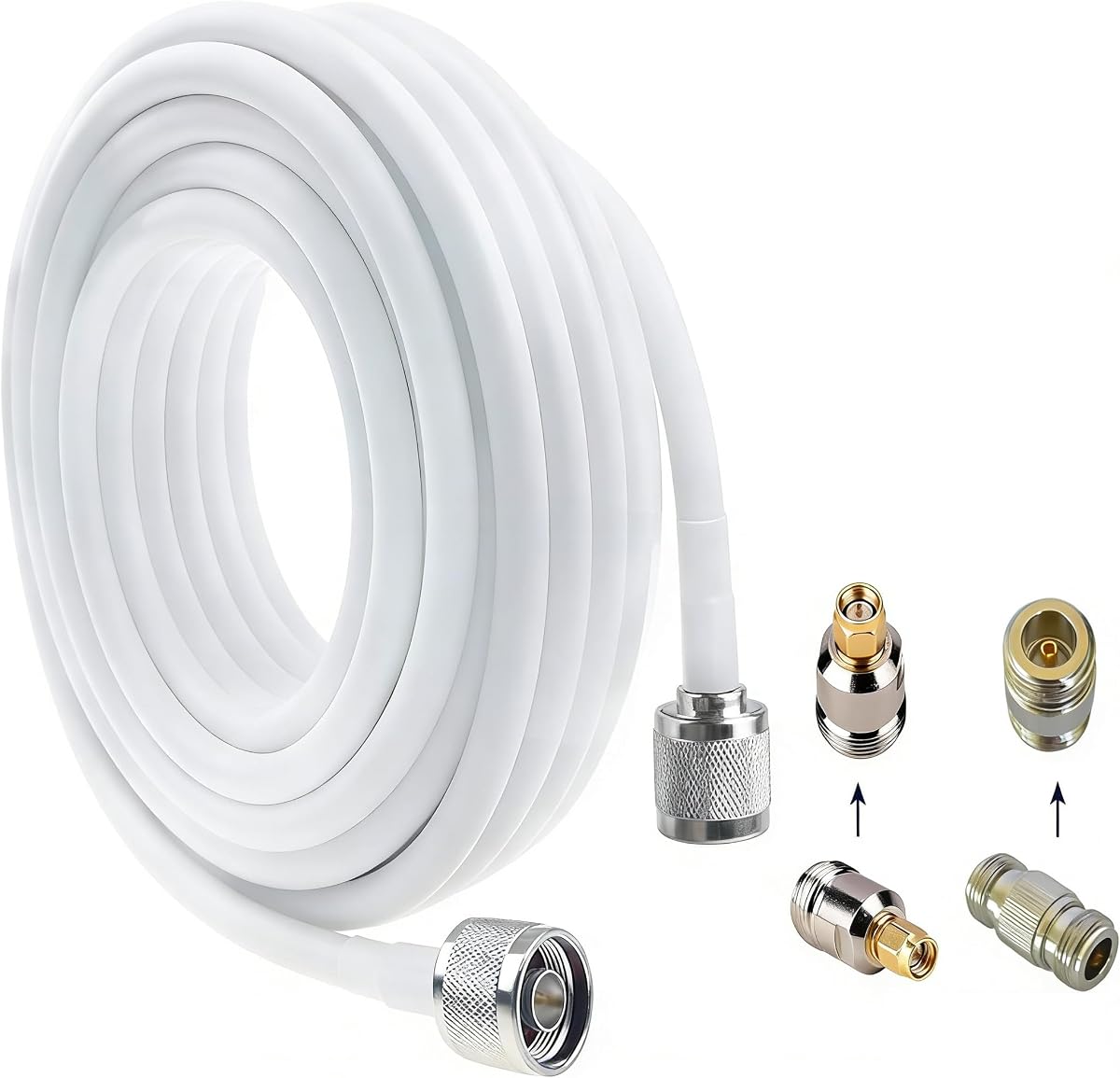
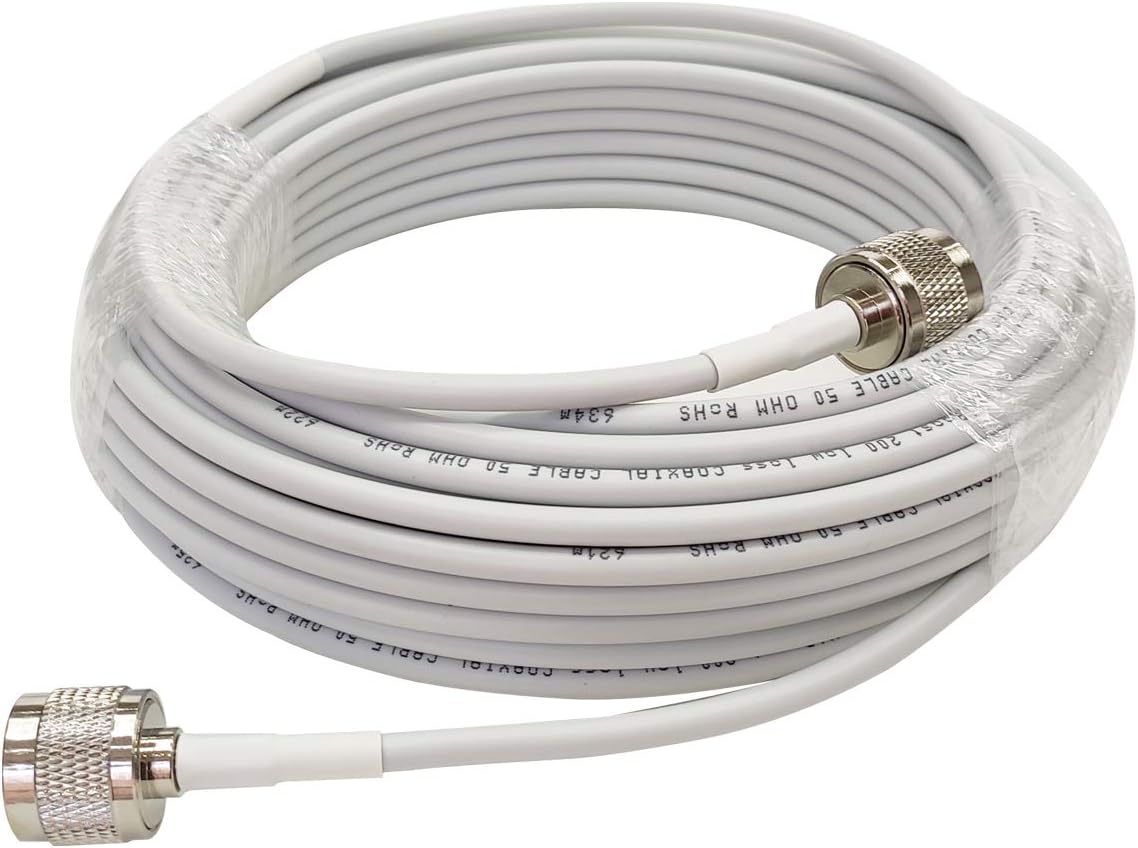


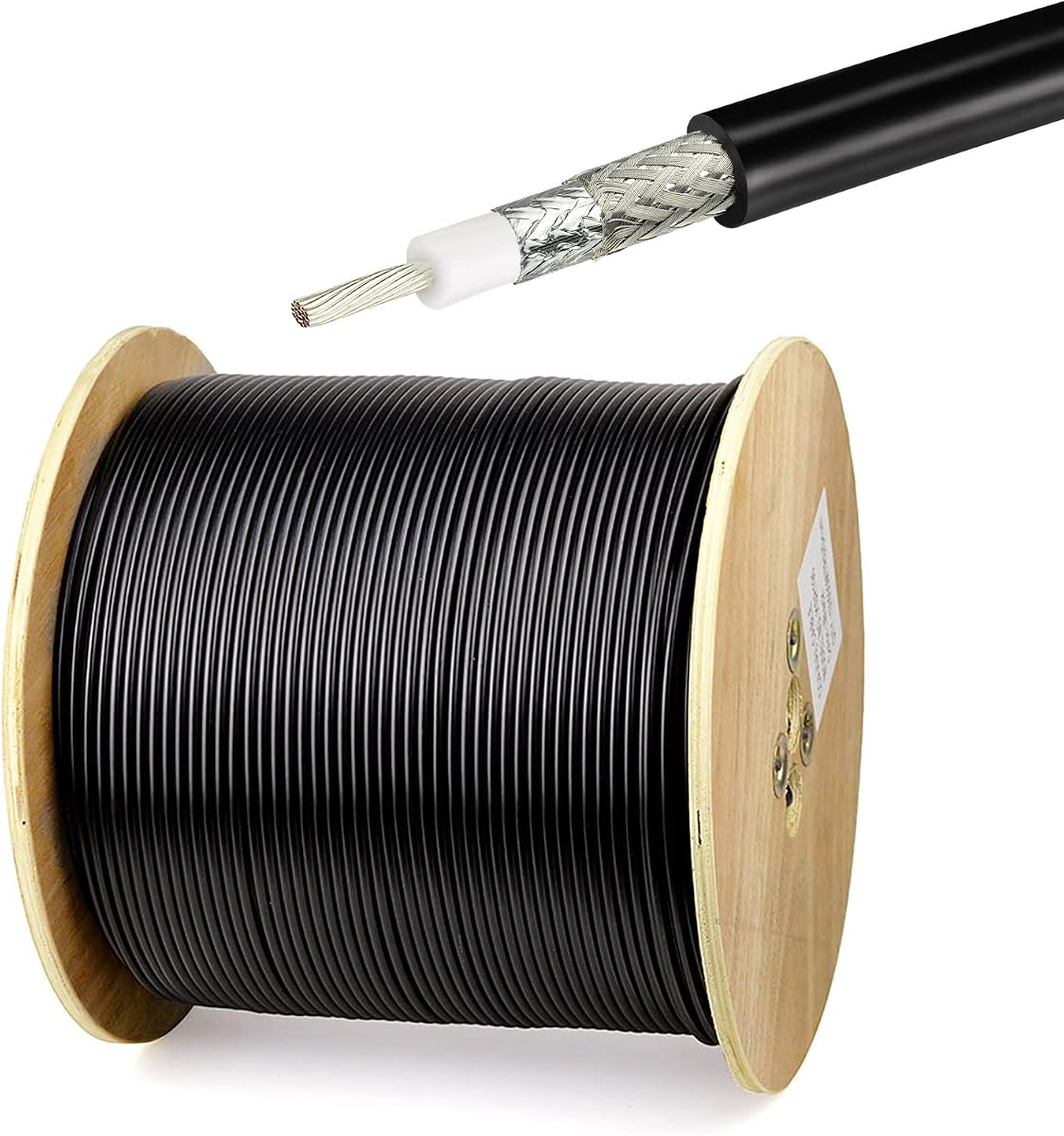

This 100ft 5D-FB coaxial cable stands out as the top choice for users needing long-distance signal extension without compromising quality. With a perfect 5.0 rating, it delivers exceptional low-loss performance engineered to minimize attenuation significantly compared to standard cables.
We may earn a commission when you buy through this link, at no additional cost to you.
The premium N-Male to SMA-Male connectors are nickel-plated for corrosion resistance and secure threading. This robust design ensures a stable link that prevents signal leakage, which is crucial for maintaining consistent 4G and 5G data speeds throughout your home.
While the cable is heavier and more rigid than thin RG58 options, this weight comes from superior shielding and a larger center conductor. The trade-off is acceptable given the substantial reduction in signal degradation over 100 feet of run distance.
If you need to connect an outdoor antenna on a roof to an indoor booster in a basement, this cable is the definitive choice. It effectively maximizes booster efficiency for superior voice clarity and faster connectivity.
The larger center conductor reduces resistance, ensuring maximum power transfer to your booster unit.
UV and moisture resistant jacket ensures long-term reliability even in harsh outdoor conditions.
We may earn a commission when you buy through this link, at no additional cost to you.
This dual coax cable installation solution is perfect for renters or finished homes where drilling holes is not an option. Rated 5.0 stars, it combines a 20ft extension with a 20in jumper to offer versatile routing without damage to walls.
We may earn a commission when you buy through this link, at no additional cost to you.
The flexible jumper cable easily passes through tight window gaps, enabling clean installations. The main extension cable uses low loss 3D-FB structure to minimize attenuation, ensuring stable cellular signal strength over the distance.
While the total length is shorter than long-run options, this kit covers most standard setups. The trade-off of standard SMA connectors is acceptable for indoor or short outdoor runs where ease of installation is the priority.
Buy this if you need a complete, damage-free solution for indoor boosters. It offers reliable performance at an accessible price point for upgrading or replacing original booster cables.
The flexible jumper allows cable routing through existing windows without drilling holes.
Receive both long extension and short jumper for complete installation flexibility.
We may earn a commission when you buy through this link, at no additional cost to you.
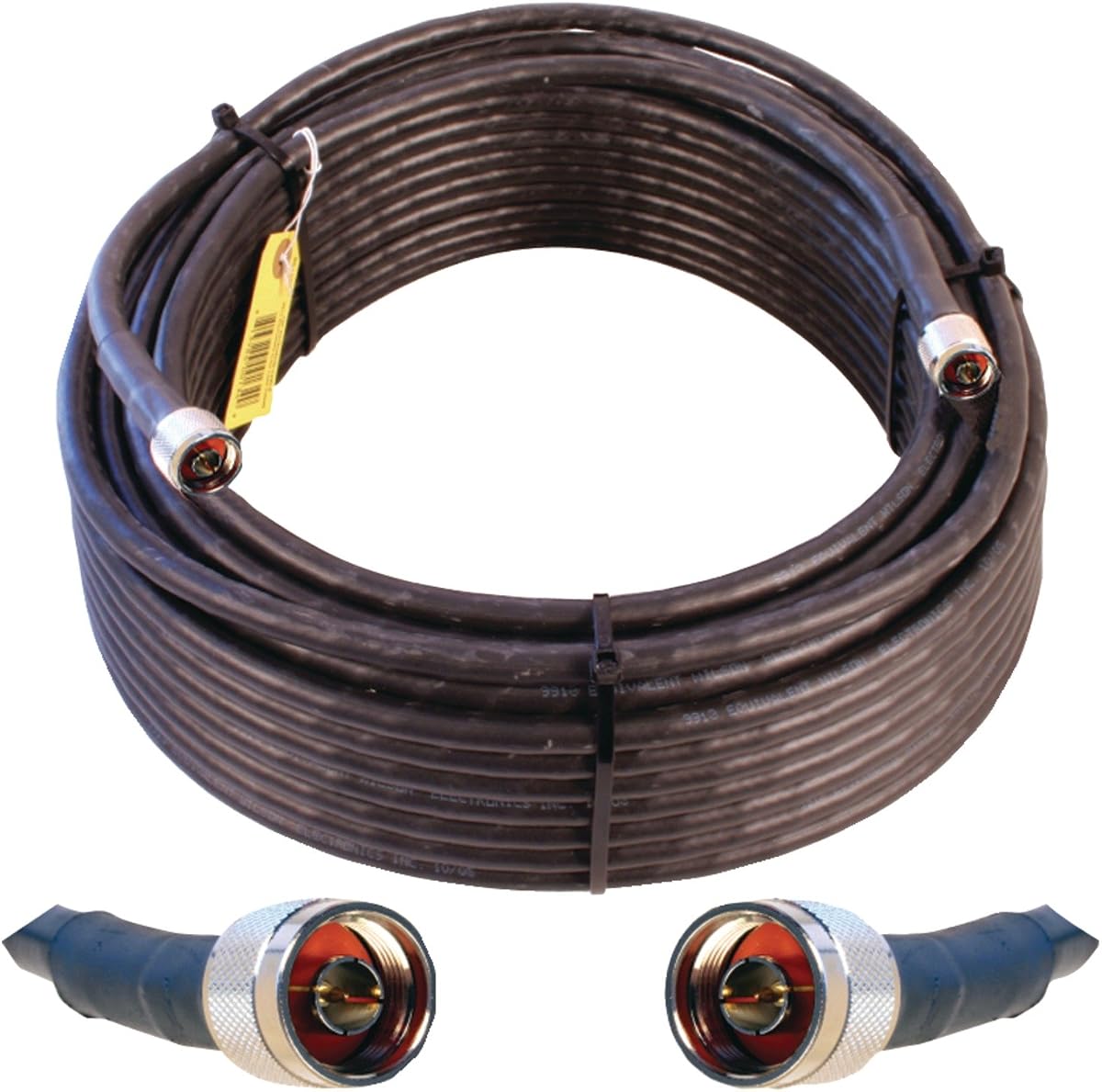
This Wilson Electronics cable represents top-tier quality with US-based manufacturing and assembly. Rated 4.6 stars, it features triple-shielded coaxial construction that effectively blocks external interference for uninterrupted signal transfer.
We may earn a commission when you buy through this link, at no additional cost to you.
The CL3 rating allows it to carry up to 300 volts and is ideal for commercial applications. Precision N-type connectors with threaded weatherproof structure ensure secure connections capable of handling frequencies up to 11 gigahertz.
While the weight is higher due to shielding, this ensures maximum durability and longevity. The trade-off in handling is acceptable for users who need commercial-grade reliability and US-based customer support.
Choose this for professional installations or demanding environments. It allows signal transfer over large distances with minimum loss, maximizing booster functionality.
Triple-shielded design blocks external electromagnetic interference effectively.
Includes a 2 year manufacturer warranty for peace of mind on investment.
We may earn a commission when you buy through this link, at no additional cost to you.
This cable is specifically built for cellular signal booster systems and outdoor antennas. Rated 4.3 stars, it helps extend antenna distance while maintaining stable signal transmission through high-quality CCA conductors.
We may earn a commission when you buy through this link, at no additional cost to you.
The included N-N and N-SMA adapters provide flexibility for connection with most setups. Waterproof insulation and strong shielding ensure it resists moisture, sunlight, and temperature changes for reliable long-term performance.
The extra adapters add bulk to connectors, which requires careful cable management. However, this trade-off offers significant versatility if you have mismatched N and SMA ports on your equipment.
Buy this for homes or offices needing a straightforward 50ft solution. It is suitable for routing connections through walls, attics, and rooftops without signal degradation.
Included adapters allow flexible extension and repair with most antenna setups.
Built for outdoor use with insulation that withstands harsh environmental factors.
We may earn a commission when you buy through this link, at no additional cost to you.
This HiBoost cable offers a reliable mid-range solution for signal booster connections. Rated 4.3 stars, it works great for indoor and outdoor setups with a highly durable waterproof PVC outer jacket.
We may earn a commission when you buy through this link, at no additional cost to you.
The UV-resistant materials ensure longevity when exposed to sunlight on rooftops. Compatible with indoor and outdoor antennas as well as splitters, it provides consistent performance across different configurations.
The 50ft length may not suit large properties requiring longer runs. However, for standard residential setups, the durability and matching impedance make it a solid choice without extra complexity.
Select this if you need a straightforward connection for 4G LTE or 5G systems. It provides reliable signal transfer without excessive loss for moderate distances.
PVC jacket resists UV rays to prevent degradation from outdoor exposure.
Connects easily with splitters, taps, and various antenna setups.
We may earn a commission when you buy through this link, at no additional cost to you.
This cable delivers maximum signal integrity with minimal attenuation over 100 feet. Rated 4.9 stars, it features a double-layer aluminum foil shield that effectively blocks external electromagnetic interference.
We may earn a commission when you buy through this link, at no additional cost to you.
The 50-Ohm impedance match minimizes signal reflection and maximizes power transfer to your booster. A tough flexible PVC jacket ensures easy routing in attics or walls while offering superior weather resistance.
Precision-machined threaded coupling ensures secure connections at high frequencies. The trade-off of needing an adapter if your ports do not match is minor given the excellent performance and durability.
Choose this to connect devices across different rooms or floors. It supports uninterrupted transfer of cellular signals for extended coverage areas and stable data speeds.
Double-layer foil shield protects internal conductors from external noise.
Tough PVC jacket allows easy bending for confined indoor spaces.
We may earn a commission when you buy through this link, at no additional cost to you.
Rated 4.7 stars, this cable uses N-Male to N-Male connectors for robust, secure connections. The 50-Ohm impedance ensures optimal compatibility with standard RF equipment like boosters and splitters.
We may earn a commission when you buy through this link, at no additional cost to you.
Precision-machined threaded coupling prevents signal leakage and ensures stable links. The PVC jacket offers superior weather resistance, allowing easy routing in confined spaces such as attics or walls.
While heavier than other types, the N-connector design provides excellent durability. Ensure your devices have N-Female connectors to avoid needing adapters for this direct match.
Select this for 100-foot runs between indoor and outdoor antennas. It minimizes signal reflection and maximizes power transfer for consistent performance.
Threaded coupling ensures locking connections that do not easily come loose.
100ft length allows connections across floors or from attic to basement.
We may earn a commission when you buy through this link, at no additional cost to you.
This 10-foot extension cable is designed to extend the reach of your amplifier without significant signal loss. Rated 4.6 stars, it attenuates signal less than 2 dB over the 10-foot run.
We may earn a commission when you buy through this link, at no additional cost to you.
Perfect for connecting vehicle wireless amplifiers to small antennas, the SMA connectors ensure compatibility with standard mobile setups. The short length naturally limits attenuation compared to longer cables.
The limitation is the 10ft length, making it unsuitable for long-distance runs. However, for short jumps or vehicle applications, this reliability makes it a valuable spare or upgrade tool.
Use this if you need a small extension to reach a specific spot. It maintains signal integrity effectively for short connections in mobile or small fixed setups.
Less than 2 dB loss preserves signal strength effectively.
Ideal for connecting vehicle wireless amplifiers to antennas.
We may earn a commission when you buy through this link, at no additional cost to you.
This RG8X coaxial cable is a step up from standard RG58, recommended for high-powered applications. Rated 4.7 stars, it offers SWR less than 1.15 for efficient signal transfer.
We may earn a commission when you buy through this link, at no additional cost to you.
Made of waterproof PVC jacket, it withstands harsh outdoor environments. You can bend and strap it without inducing signal interference, making it flexible for various setups including cell boosters and radios.
While bulky, the cable supports better signal transfer with minimum loss over large distances. Ensure compatibility with your connectors as it works well with PL259, SMA, BNC, and N connectors.
Buy this if you need robust 50 Ohm RF performance. It is well compatible with various systems including Wi-Fi repeaters, CB radios, and antenna analyzers.
Low SWR of less than 1.15 ensures efficient power transfer.
Waterproof jacket protects against rain and extreme temperatures.
We may earn a commission when you buy through this link, at no additional cost to you.
This 100ft RG8X coaxial cable provides low loss performance with SWR less than 1.15. Rated 4.4 stars, it is recommended for high-powered applications and supports better signal transfer over large distances.
We may earn a commission when you buy through this link, at no additional cost to you.
The waterproof PVC jacket allows use in harsh outdoor environments. It can be bent and strapped without inducing signal interference, offering robust performance for cell phone signal boosters and other RF systems.
While the lack of a spool might make storage inconvenient, the cable quality is high. The trade-off of weight is acceptable given the improved performance over standard RG58 cables.
Choose this if you need 100ft of reliable RG8X. It maximizes booster efficiency for superior voice clarity and faster data connectivity.
RG8X construction handles higher power and frequencies than RG58.
Waterproof PVC ensures long-term outdoor usage reliability.
We may earn a commission when you buy through this link, at no additional cost to you.
Selecting the right coaxial cable is critical for maximizing booster performance. The following factors help you evaluate options based on your specific distance, connector, and environmental needs.
Different cables like 3D-FB, 5D-FB, RG58, and RG8X offer varying performance levels. 5D-FB typically provides lower loss over longer distances due to a larger center conductor compared to standard 3D-FB or RG58. Aluminum or copper conductors affect flexibility and conductivity significantly.
Prioritize cables with larger conductors like 5D-FB for long runs to minimize attenuation. Ensure the conductor material matches your installation requirements for flexibility and durability.
Most boosters use N-Female ports, but some may require SMA. Ensure the cable ends match your device ports or plan to use adapters. Mismatched connectors can cause signal leaks if not properly secured.
Check your booster and antenna ports carefully. Use cables with N-type connectors for better shielding and durability, or buy adapters if using SMA connectors.
50 Ohm is the standard impedance for most RF and cellular equipment. Using a cable with a different impedance can cause signal reflection and loss. All products in this guide adhere to the 50 Ohm standard.
Ensure all components in your chain have matching 50 Ohm impedance. Mismatched impedance reduces signal efficiency and booster performance significantly.
Longer cables naturally result in higher signal loss. Choose the shortest cable possible that reaches your destination comfortably. 100ft options are great for large homes, while 50ft suffices for standard setups.
Measure the distance between your antenna and booster before purchasing. A 10ft excess is acceptable, but avoid excessive slack to reduce clutter and potential damage.
Proper shielding prevents external interference from degrading your cellular signal. Double or triple shielded cables offer better protection against electromagnetic noise in urban areas. Look for foil and braid layers in the product description.
Opt for cables with double-layer shielding or higher. This protects your signal from interference caused by power lines, Wi-Fi, or other electronic devices.
Outdoor cables must withstand rain, snow, and UV exposure. Waterproof insulation and durable PVC jackets are essential for outdoor runs. Indoor cables may be lighter but lack this protection.
Verify the jacket material is rated for outdoor use if routing cables externally. Waterproof insulation prevents corrosion and signal loss due to moisture ingress.
CL3 ratings indicate safety for in-wall use in commercial or residential buildings. This is crucial for permanent installations where cables pass through walls or ceilings. Ensure your cable meets local fire codes.
Choose CL3 rated cables if running wires inside walls. This ensures compliance with safety standards and prevents fire hazards in enclosed spaces.
Ensure the cable is explicitly listed as compatible with your booster brand or model. While most are universal, specific connector or impedance mismatches can still occur. Read product descriptions for specific booster mentions.
Confirm compatibility with your specific booster model before purchase. A quick check with the manufacturer specifications ensures seamless integration without extra adapters.
When installing, avoid bending the cable at sharp angles. Sharp bends can damage internal conductors or cause signal reflections. Route the cable gently around corners to maintain performance.
Secure the cable with UV-resistant clips if running outdoors. Ensure connections are tight and sealed against moisture ingress to prevent long-term corrosion or signal loss.
Inspect connections periodically for signs of wear or oxidation. Clean connectors with a dry cloth to maintain optimal conductivity and replace the cable if insulation shows significant cracking.
Yes, longer cables introduce more signal loss (attenuation). For every foot added, you lose a small percentage of signal strength. This is why using low-loss cables like 5D-FB is recommended for runs longer than 50 feet.
N connectors are generally more robust and better shielded for outdoor use. They screw on tightly and resist loosening due to vibration. SMA connectors are common indoors but may be less durable for exterior environments.
No, RG6 typically has a 75 Ohm impedance while boosters require 50 Ohm. Using mismatched impedance causes signal reflection and loss. Always use cables explicitly rated for 50 Ohm RF systems.
Yes, if your booster has N-Female ports and the cable has SMA ends, you need an adapter. Always check port types before buying. Adapters add slight bulk but allow compatibility between mismatched ends.
Low-loss cables use higher quality conductors and shielding to reduce signal degradation. This matters because preserving signal strength from antenna to booster ensures maximum amplification power and better coverage indoors.
Only if the cable is CL3 rated for in-wall use. This ensures safety compliance with fire codes. Regular outdoor or indoor cables may not meet fire resistance standards required for hidden installations.
Use waterproof tape or silicone sealant around connectors. Properly crimped connectors and weather-resistant jackets prevent moisture ingress. Ensure all outdoor connections are sealed tightly to prevent corrosion.
Yes, shielding blocks external electromagnetic interference that degrades signals. Double or triple shielded cables protect against noise from Wi-Fi, power lines, and other electronics, ensuring cleaner and stronger cellular reception.
Choosing the right coaxial cable can significantly impact your signal booster's performance. Top picks like the Wilson Electronics Premium and 5D-FB cables offer excellent balance of durability and low loss for most setups.
Prioritize matching impedance and connector types for seamless compatibility. Ensure you select the right length to avoid unnecessary signal loss while keeping your installation neat and professional.
Always verify product details and current pricing before finalizing your purchase. Check for stock and compatibility with your specific booster model to ensure smooth installation and optimal signal coverage.