
1000X Handheld Digital Microscope for Kids: Pocket Microscope with 2.0" IPS Screen
4.5Editor score
1000X magnification power
Built-in 32MB storage
Durable ABS plastic design
Discovering the hidden world of insects requires the right tools. A digital microscope offers magnification and clarity that traditional lenses cannot match. It allows you to capture images and videos for detailed study and sharing with others.
We evaluated ten top-rated models based on performance, features, and user feedback. Our comparison focuses on magnification range, screen quality, battery life, and compatibility with devices. This ensures you find a scope that meets your specific exploration needs.
Each pick highlights unique strengths and ideal use cases for different users. Prices may vary over time so always check the latest listings before buying. Use this guide to make an informed decision for your insect study adventures.
4.5Editor score

4.5Editor score

4.4Editor score
As an Amazon Associate we earn from qualifying purchases.
The following table provides a side-by-side look at every model we reviewed. It highlights key specifications to help you quickly identify which features matter most for your specific insect study requirements.

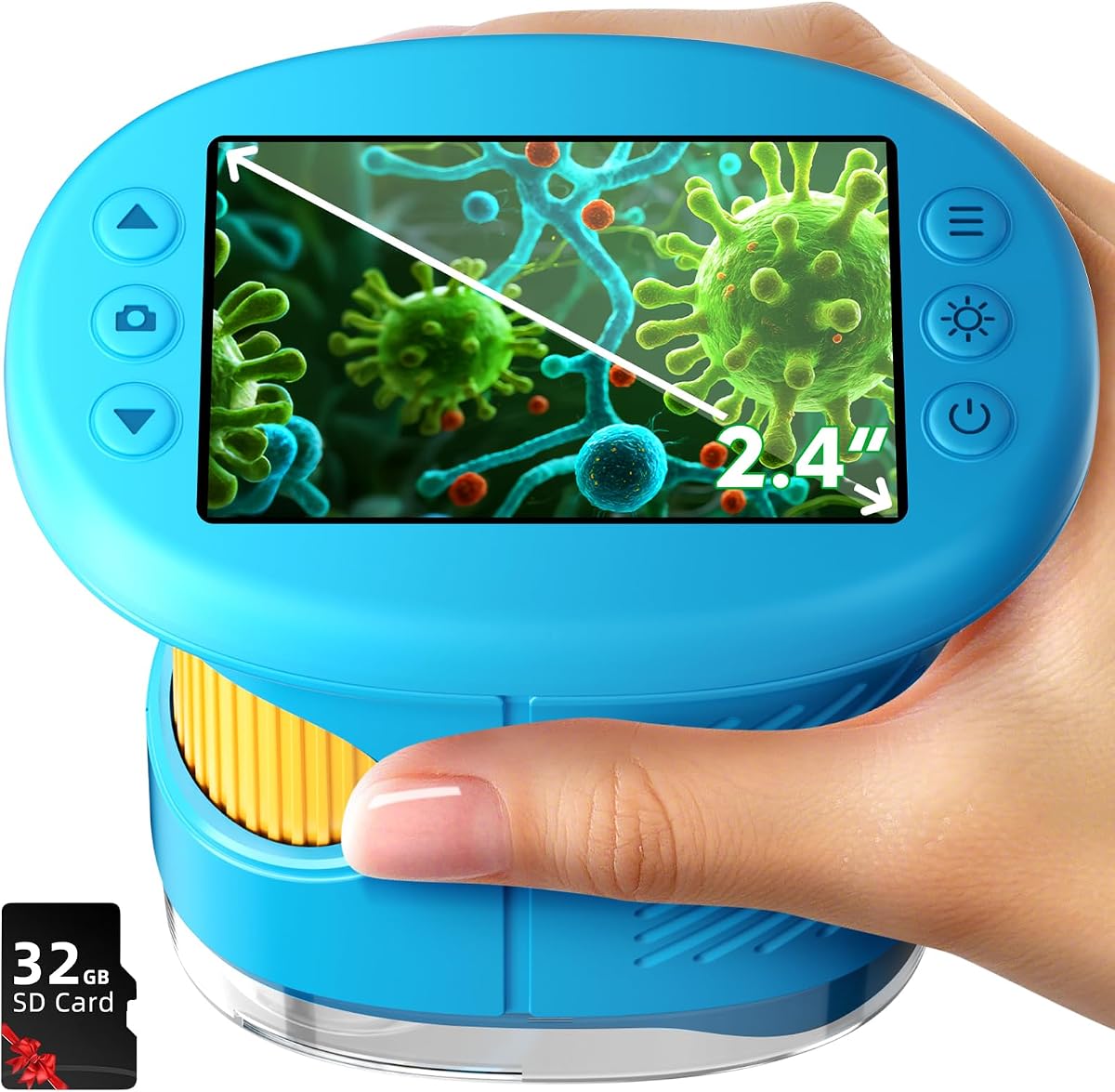
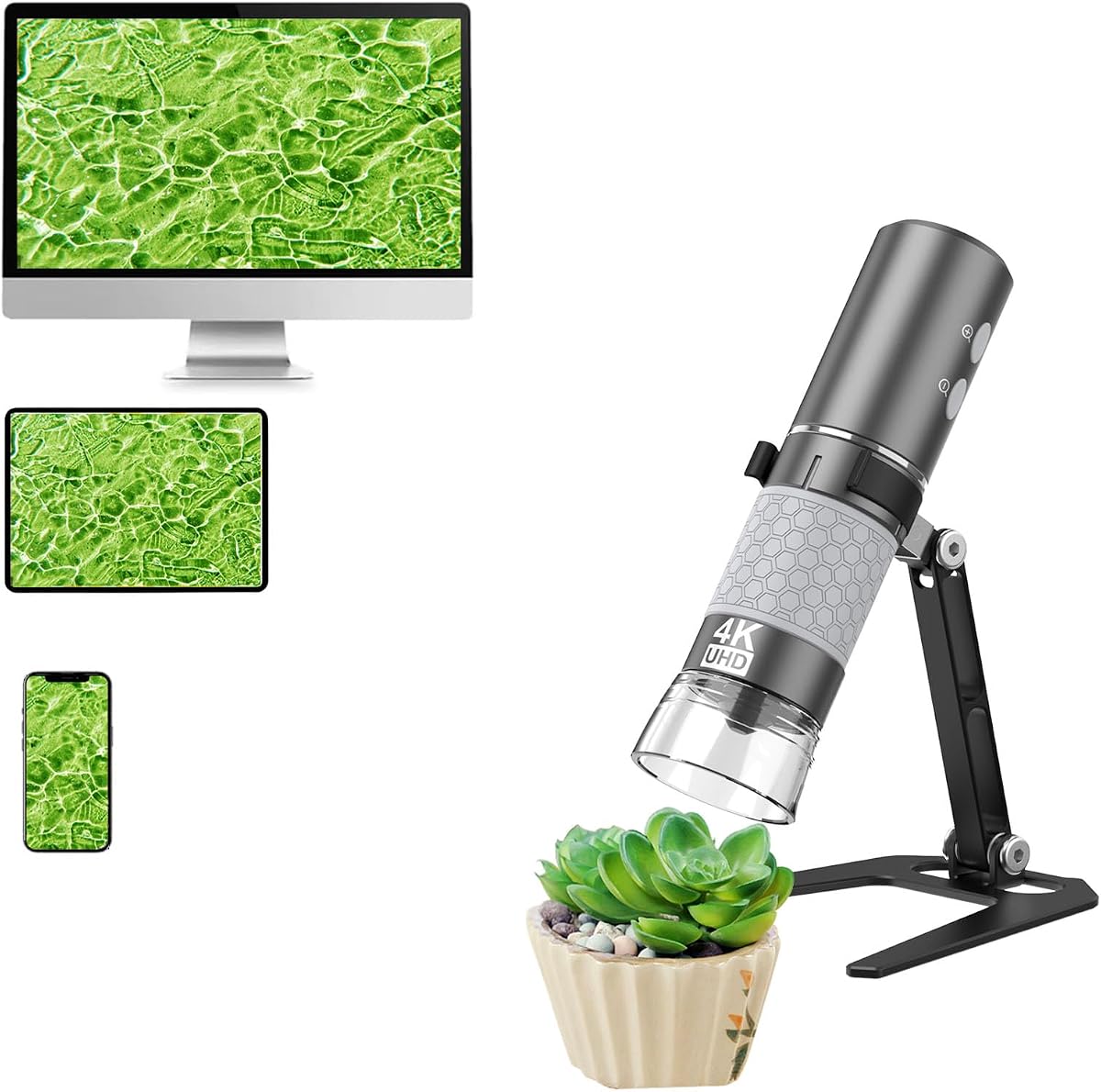
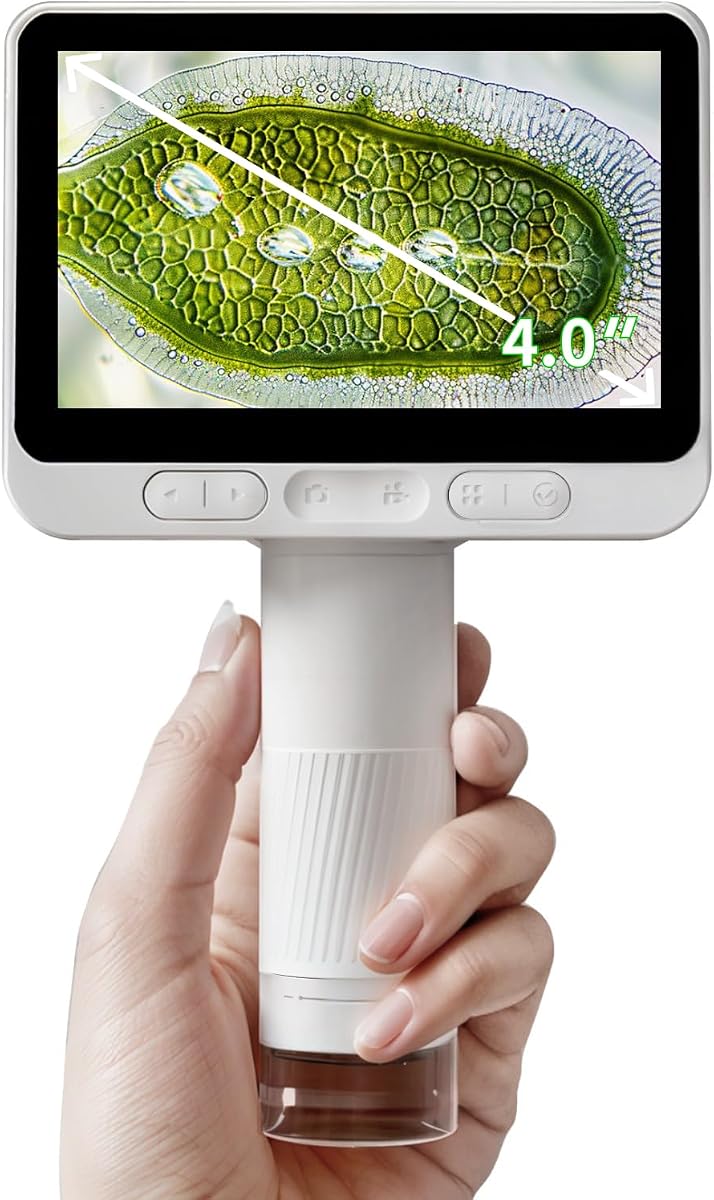


This model stands out as a top choice for serious insect study. It combines high resolution imaging with versatile lens options for different views. The HDMI output allows for large screen viewing which helps in detailed analysis.
We may earn a commission when you buy through this link, at no additional cost to you.
The three lenses cover a wide range from macro to microscopic views. This versatility means you can examine whole insects or specific body parts without switching devices. The included stand is robust and reduces shake during observation.
While the price is higher than handheld models the quality justifies the cost. The setup process is manageable and the results are professional grade. It is an investment that pays off in clarity and usability.
Ideal for adults and students needing precision. If you want to analyze insect anatomy deeply this is the tool. The measurement software adds scientific value that other models lack.
The three included lenses allow observation of coins slides and biological specimens easily. This flexibility makes it perfect for varied insect study needs.
HDMI output connects to monitors for shared viewing. This is excellent for classrooms or group study sessions.
We may earn a commission when you buy through this link, at no additional cost to you.
This budget friendly option offers impressive magnification for the price. It is designed with kids in mind but works for casual adult use too. The screen is clear enough for basic insect identification.
We may earn a commission when you buy through this link, at no additional cost to you.
The anti-shake design helps keep images steady during movement. This is crucial when observing live insects that might move around. Storage capacity is limited but sufficient for key photos.
It lacks advanced features like auto focus but simplicity is a strength. Young users can operate it without frustration. The battery life supports extended outdoor field trips.
Perfect for families wanting to explore nature. It balances cost and performance well. If you need something portable and easy this fits the bill.
Controls are large and easy to manage. This reduces frustration for younger users during exploration.
Portable design allows for easy transport. The battery supports several hours of active use.
We may earn a commission when you buy through this link, at no additional cost to you.
This premium model brings lab quality tech to a portable unit. The auto-focus feature is a game changer for live subjects. You do not need to adjust manually as it tracks the target.
We may earn a commission when you buy through this link, at no additional cost to you.
The screen is massive compared to others allowing easy viewing. 4K video captures incredible detail of insect texture and movement. It handles lighting well in various environments.
The price reflects the advanced capabilities inside. It is best for those who value convenience and top visual fidelity. The weight means it is less ideal for hiking.
Recommended for home labs or fixed stations. If you want the best tech available this is it. The ease of use saves time during observations.
AI algorithms adjust focus instantly. This keeps moving insects in sharp view effortlessly.
4K video captures fine details like hairs and eyes. You can freeze frames for analysis.
We may earn a commission when you buy through this link, at no additional cost to you.
This device connects easily to phones for instant viewing. It allows you to see insects on a larger screen wirelessly. The USB option provides a backup if WiFi fails.
We may earn a commission when you buy through this link, at no additional cost to you.
The LED lights help illuminate dark corners where bugs hide. You can adjust brightness to suit the environment. The focus range is decent but requires keeping the lens close.
Connectivity issues can happen if the signal drops. It works best in areas with low interference. The stand is useful for steady shots when needed.
Good for sharing observations with friends. It bridges the gap between microscope and phone. If connectivity matters most this is a solid choice.
Direct connection to Android and iOS devices. Makes sharing findings instant and easy.
Eight lights offer flexible illumination. Adjust settings for different viewing conditions.
We may earn a commission when you buy through this link, at no additional cost to you.
The included memory card means you can save hundreds of photos. This is great for cataloging different insect species. The camera supports high resolution for clear shots.
We may earn a commission when you buy through this link, at no additional cost to you.
You can view objects from a distance which is helpful for skittish bugs. The screen provides a clear view in daylight. The interface is simple for quick access.
Focus is manual which takes some practice. The case protects the unit from drops and bumps. It is designed for rugged use by active kids.
Ideal for collectors or students. The storage capacity is a key benefit. If you want to save your discoveries easily this works well.
The 32GB card holds many images. No need to transfer files immediately.
View insects without getting too close. Reduces disturbance to live specimens.
We may earn a commission when you buy through this link, at no additional cost to you.
With up to four hours of use this model lasts all day. The battery holds charge well even after multiple sessions. The stand adds stability when you need steady hands.
We may earn a commission when you buy through this link, at no additional cost to you.
The 4K capability ensures crisp images. Brightness controls help in varied light. It connects to most devices easily.
Setting up the connection can be tricky at first. Once connected it runs smoothly. The case is not included so handle with care.
Great for long field trips. You do not worry about power running out. If endurance is key this is a top pick.
Four hours covers most outdoor trips. Recharge quickly between uses.
The adjustable stand provides a steady base. Helps reduce shake for clearer shots.
We may earn a commission when you buy through this link, at no additional cost to you.
The four inch screen is larger than most peers. This makes details easier to see without squinting. The hotspot allows direct transfer to phones.
We may earn a commission when you buy through this link, at no additional cost to you.
Magnification goes up to 1600X for deep detail. Video capture works well for movement. It is light enough for extended use.
Battery life is average so carry a charger. There is no case so watch out for scratches. The display quality is excellent for the price.
Best for users who prioritize visuals. The screen size enhances the experience. If you need clarity this model delivers.
Large screen shows intricate insect features. Enhances learning experience.
Hotspot connects directly to devices. Easy to save and share photos.
We may earn a commission when you buy through this link, at no additional cost to you.
Built to withstand drops this unit is tough. The plastic is safe for kids and resistant to wear. USB-C charging is modern and quick.
We may earn a commission when you buy through this link, at no additional cost to you.
The stabilizer keeps images clear. This helps when walking while observing. The screen is small but adequate for basic views.
It does not have huge zoom but covers needs. The build quality gives confidence in the field. It is a reliable tool for young explorers.
Ideal for rough outdoor use. Durability is a major asset here. If you need something rugged this fits.
Designed to handle drops and bumps. Ensures longevity in outdoor settings.
USB-C port charges faster. Compatible with many chargers.
We may earn a commission when you buy through this link, at no additional cost to you.
This model works with almost any device you own. Whether Android or Windows it connects easily. The 4K output is sharp and detailed.
We may earn a commission when you buy through this link, at no additional cost to you.
You can use wide angle for full insects or zoom for parts. It is flexible for different tasks. USB mode offers stability if needed.
Buttons do not work on all systems. You may need to rely on touch controls. The performance is strong across the board.
Good for tech diverse groups. Compatibility is the main advantage. If you have many devices this works well.
Works with most phones and computers. No need for specific apps.
Wide angle captures whole subjects. Zoom helps with details.
We may earn a commission when you buy through this link, at no additional cost to you.
With up to 5000X magnification this sees tiny details. It is powerful for deep analysis of insect structure. The stage helps move specimens precisely.
We may earn a commission when you buy through this link, at no additional cost to you.
The five lenses cover all bases. You can swap to suit the task. Video quality is excellent for recordings.
It is not portable like handheld units. The setup takes time but offers precision. It is best for fixed observation spots.
Best for serious study. The zoom level is unmatched. If you need extreme detail this is the choice.
5000X zoom shows fine structures. Perfect for scientific observation.
X-Y stage allows smooth tracking. Keeps specimens in view easily.
We may earn a commission when you buy through this link, at no additional cost to you.
Choosing the right microscope depends on what you want to observe and where you will use it. Here are key factors to consider.
Magnification determines how large insects appear. A range of 100X to 1000X is standard for basic study. Higher ranges allow for deeper analysis of structures.
Ensure the device supports the level of detail you need.
Larger screens provide better views without straining eyes. Models with 2 to 4 inches are common. Handheld units often have smaller screens for portability.
Select a size that matches your viewing preference.
WiFi and USB options allow transfer of photos. Some models connect to phones for sharing. Others use direct cables for stability.
Choose based on how you plan to share findings.
Field trips require long battery life. Aim for at least three hours of use. Rechargeable units with USB charging are versatile.
Check battery specs to avoid interruptions.
Built-in storage or SD card slots save images. Capacity varies from small to large. If you take many photos storage matters.
Ensure the device can hold your data.
LED lights help in dark places. Adjustable brightness is useful for different insects. Good lighting prevents shadows.
Look for multiple light options.
Outdoor use means the unit must be tough. Plastic casing helps absorb drops. Kid-friendly models are often more robust.
Pick one that suits your environment.
Cost ranges from budget to premium. Higher prices often mean better features. Balance what you need with your budget.
Consider value over just cost.
To begin, ensure the lens is clean and dry. Turn on the device and adjust brightness settings. Place the insect or image within range.
Use the focus wheel to sharpen the image. Move slowly to avoid losing the subject. Capture photos or video if needed.
After use, clean the lens with a cloth. Store the unit in a cool dry place. Charge the battery fully before next use.
Yes, these devices are designed for both live and prepared specimens. Live insects allow observation of behavior. Just ensure the light is not too bright.
No, most models have built-in screens. Some offer WiFi for phones but they function standalone. This makes them versatile for all users.
Most units support USB or WiFi transfer. Connect the device and open the folder on your PC. You can save or edit the files.
Yes, they are made with safe materials. The light is low heat and the plastic is durable. They are designed for young explorers.
For most bugs 200X to 500X is ideal. This shows details like hairs and eyes. Higher magnification is for specific parts.
Yes, recording video is a key feature. You can capture movements for review. Check the memory limit for video duration.
Use a soft dry cloth to wipe gently. Avoid chemicals that might damage the lens. Clean regularly to ensure clarity.
They have built-in LEDs to help. This makes them usable in darker spots. Adjust brightness for best results.
We explored ten top options for insect study. Each offers unique strengths for different needs. From portable handhelds to advanced lab units.
Prioritize magnification and screen size based on goals. If you want portability look at handheld units. For detail consider models with larger screens.
Check current prices as they may vary. Use this guide to find your perfect match. Happy exploring of the insect world.